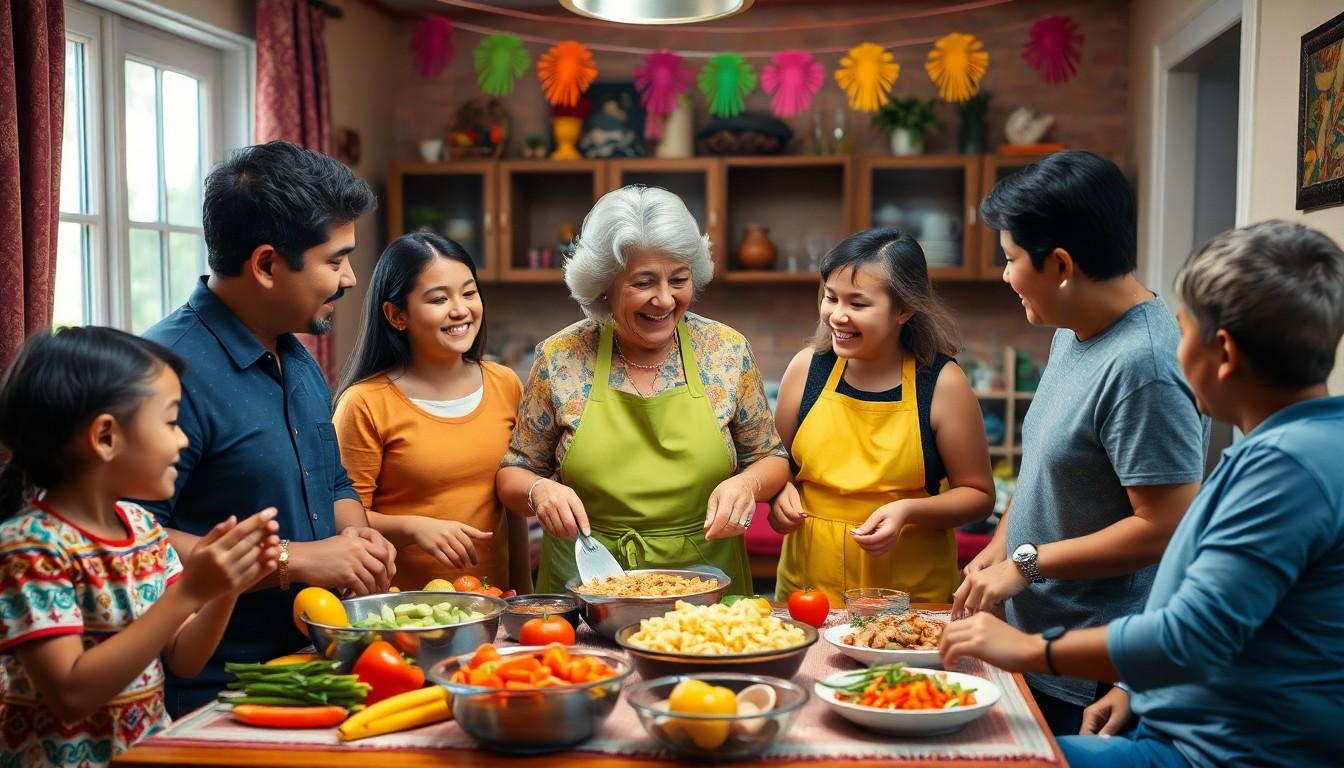
Hispanic family traditions bring vibrant colors life and endless joy to millions of households across America. From quinceañeras to Nochebuena celebrations these cherished customs have shaped generations of families creating bonds that transcend time and borders.
At the heart of Hispanic culture lies an unwavering dedication to family unity where every celebration becomes an excuse for relatives to gather share stories and feast on abuela’s secret recipes. These traditions aren’t just activities – they’re living breathing connections to ancestral roots that continue to thrive in modern times. Whether it’s the mouth-watering tamales during Christmas or the lively music at family gatherings Hispanic traditions create magical moments that turn ordinary days into unforgettable memories.
The Role of Family in Hispanic Culture
Family serves as the cornerstone of Hispanic culture, forming the foundation of social structures and personal identity. The cultural emphasis on familismo places collective family needs above individual desires, creating strong bonds that shape daily life and decision-making.
Extended Family Dynamics
Hispanic families embrace a broader definition of family that extends beyond the nuclear unit. Aunts, uncles, cousins, godparents (padrinos) participate in regular gatherings, celebrations and daily activities. Children grow up surrounded by multiple generations, creating a robust support network that influences their development and worldview. This extended family system provides emotional support, financial assistance and childcare resources. Family members often live in close proximity, maintaining frequent contact through weekly dinners, Sunday gatherings or daily visits.
Respect for Elders
Elder family members hold positions of authority and wisdom in Hispanic households. Grandparents take active roles in raising grandchildren, passing down cultural traditions through stories, recipes and life lessons. The Spanish language reinforces this respect through formal pronouns like “usted” when addressing elders. Children learn to greet older relatives with a kiss on the cheek and a blessing request. Aging parents commonly live with their adult children rather than in assisted living facilities, reflecting the cultural value of caring for family across generations.
Important Hispanic Religious Traditions
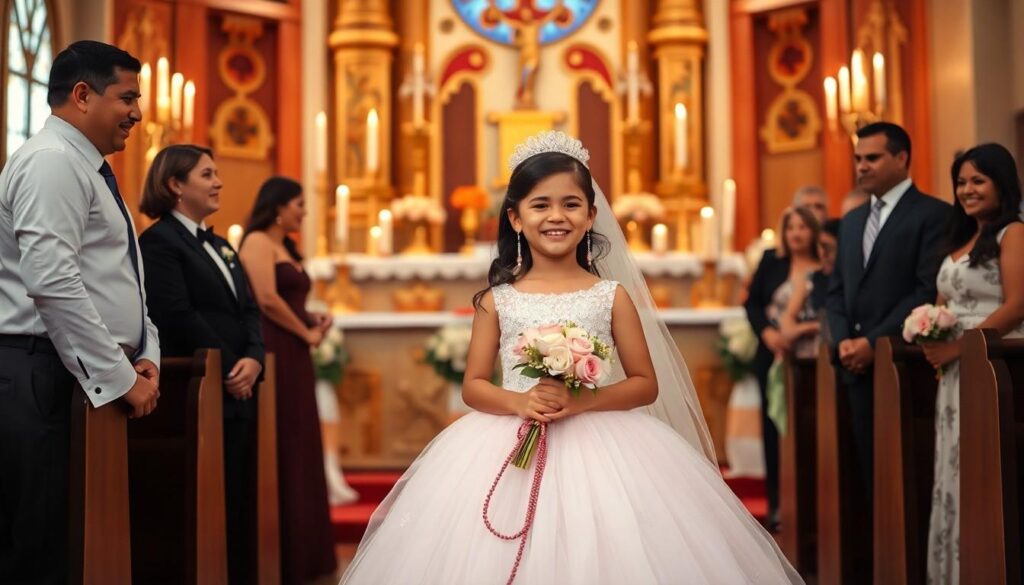
Religious traditions form the cornerstone of Hispanic cultural identity, interweaving faith with family celebrations throughout the year. These sacred customs connect generations through shared spiritual experiences and ritualistic practices.
Quinceañera Celebrations
The Quinceañera marks a girl’s 15th birthday with a significant religious ceremony followed by a grand celebration. A special Mass begins the festivities, where the young woman reaffirms her Catholic faith and receives blessings from a priest. The celebrant wears a formal gown, typically in white or pink, symbolizing purity and new beginnings. Key religious elements include the presentation of symbolic gifts: a Bible, rosary, cross or medal. Padrinos (godparents) play essential roles in the ceremony, presenting these sacred items and offering spiritual guidance. The celebration incorporates traditional prayers, ceremonial candle lighting and a special dedication to the Virgin Mary.
Religious Holidays and Customs
Hispanic religious observances center around the Catholic liturgical calendar, featuring distinct cultural elements. Las Posadas recreates Mary and Joseph’s journey through nine evening processions during December 16-24. Día de los Reyes (January 6) commemorates the Three Kings’ visit to baby Jesus with gift-giving traditions including rosca de reyes bread. Semana Santa (Holy Week) involves elaborate processions, traditional foods like bacalao and family prayer gatherings. Catholics attend misa de gallo (midnight Mass) on Christmas Eve before Nochebuena celebrations. Special occasions feature blessing rituals like presentación de tres años, marking a child’s third birthday with church ceremonies.
Traditional Hispanic Family Gatherings
Hispanic family gatherings create vibrant spaces where cultural traditions thrive through shared meals feasts celebrations. These events strengthen familial bonds across generations while preserving ancestral customs.
Sunday Family Dinners
Sunday dinners form the cornerstone of Hispanic family life where extended families gather weekly to share traditional dishes recipes conversations. The preparation starts early as mothers grandmothers work together in the kitchen creating signature dishes like pozole tamales arroz con gandules. Children learn cooking techniques family recipes during these weekly rituals establishing connections to their heritage. The dining table transforms into a hub of storytelling laughter where relatives exchange weekly updates discuss family matters celebrate achievements.
Multi-Generational Living
Hispanic households often embrace multi generational living arrangements where grandparents parents children share the same home. Abuelos maintain active roles in daily family operations from childcare to household management passing down cultural wisdom through daily interactions. This living structure facilitates constant cultural immersion as younger generations experience traditional practices customs languages firsthand. Shared living spaces create natural opportunities for skill transfer where elders teach traditional crafts cooking methods healing practices to younger family members. The arrangement fosters mutual support strengthens family bonds ensures cultural continuity across generations.
Cultural Values and Beliefs
Hispanic cultural values emphasize strong moral principles passed down through generations. These deeply rooted beliefs shape family dynamics social interactions community engagement.
Gender Roles and Expectations
Traditional Hispanic households maintain distinct gender-specific responsibilities that influence family dynamics. Men often serve as primary financial providers while holding positions of authority in decision-making processes. Women take central roles in child-rearing household management family traditions. Modern Hispanic families embrace evolving gender dynamics with 68% of Hispanic mothers working outside the home. Young Hispanic professionals challenge traditional expectations by pursuing education career advancement while maintaining cultural connections. Grandmothers retain significant influence in family matters passing down cultural wisdom to younger generations.
Family Honor and Pride
Hispanic families place paramount importance on maintaining dignity respect through individual collective achievements. Children’s accomplishments in education careers directly reflect family reputation within the community. Family members demonstrate loyalty by defending supporting one another during challenges celebrations. Academic success professional achievements bring honor to the entire family unit. A recent study shows 85% of Hispanic parents consider family reputation essential in decision-making. Cultural traditions ceremonies showcase family pride through formal gatherings special attire traditional customs. Extended family members contribute to upholding the family name through proper conduct social relationships community involvement.
Passing Down Cultural Heritage
Hispanic families preserve their cultural legacy through intentional transmission of traditions across generations. This heritage transfer occurs through various channels including language, customs, cuisine, and shared experiences.
Language and Communication
Spanish language proficiency forms the foundation of Hispanic cultural heritage preservation. Parents integrate Spanish into daily conversations, teaching children traditional sayings, proverbs, and folk stories. Bilingual education emerges naturally in Hispanic households as children learn to navigate between Spanish and English. Storytelling plays a central role, with grandparents sharing cuentos (tales) about family history, ancestral homeland experiences, and cultural values during family gatherings. Communication patterns reflect cultural norms through specific terms of endearment, honorifics for elders, and distinctive regional expressions.
Traditional Foods and Recipes
Hispanic culinary traditions connect generations through hands-on cooking experiences. Grandmothers teach grandchildren family recipes for dishes like tamales, empanadas, and mole during holiday preparations. Each region’s distinctive cooking methods pass from one generation to the next through kitchen gatherings where relatives share techniques for masa preparation, seasoning combinations, and cooking temperatures. Recipe books contain handwritten notes documenting family modifications to traditional dishes. Special occasions feature signature family dishes that carry stories of their origins, ingredients, and significance to family history.
Modern Hispanic Family Life
Hispanic families navigate evolving social dynamics while preserving cultural heritage in contemporary American society. Technology integration melds with traditional values to create unique family experiences that bridge generational gaps.
Balancing Tradition with Change
Modern Hispanic households embrace digital communication platforms to maintain family connections across distances. Video calls connect grandparents with grandchildren for virtual cooking lessons of traditional recipes. Social media groups facilitate extended family communication through dedicated spaces for sharing photos events updates. Working parents incorporate flexible schedules to attend important cultural celebrations while managing career demands. Many families adapt traditional ceremonies to accommodate busy schedules without losing their cultural significance. Multi-generational households combine modern amenities with traditional living arrangements creating dynamic family environments that honor both past present.
Cultural Identity in America
Hispanic-American families maintain strong cultural identities through bilingual education programs community involvement. Children participate in both traditional Hispanic celebrations school activities creating a bicultural experience. Local cultural centers offer Spanish language classes traditional dance programs connecting families to their heritage. Hispanic professionals establish networking groups mentorship programs supporting career advancement while preserving cultural values. Food festivals cultural events showcase Hispanic traditions to broader communities fostering cultural appreciation understanding. Social media platforms enable Hispanic families to connect with cultural communities beyond their immediate geographic areas sharing experiences resources across the country.
Conclusion
Hispanic family traditions represent more than just cultural practices – they’re the living bridges that connect past present and future generations. These cherished customs continue to thrive and evolve while maintaining their core values of family unity respect and cultural pride.
Modern Hispanic families have successfully adapted their traditions to contemporary life proving that cultural heritage can flourish alongside technological advancement. Through intentional preservation and celebration of these customs Hispanic families ensure their rich cultural legacy will continue enriching lives for generations to come.
The enduring strength of Hispanic family traditions lies in their ability to bring people together create lasting memories and maintain strong cultural identities in an ever-changing world.