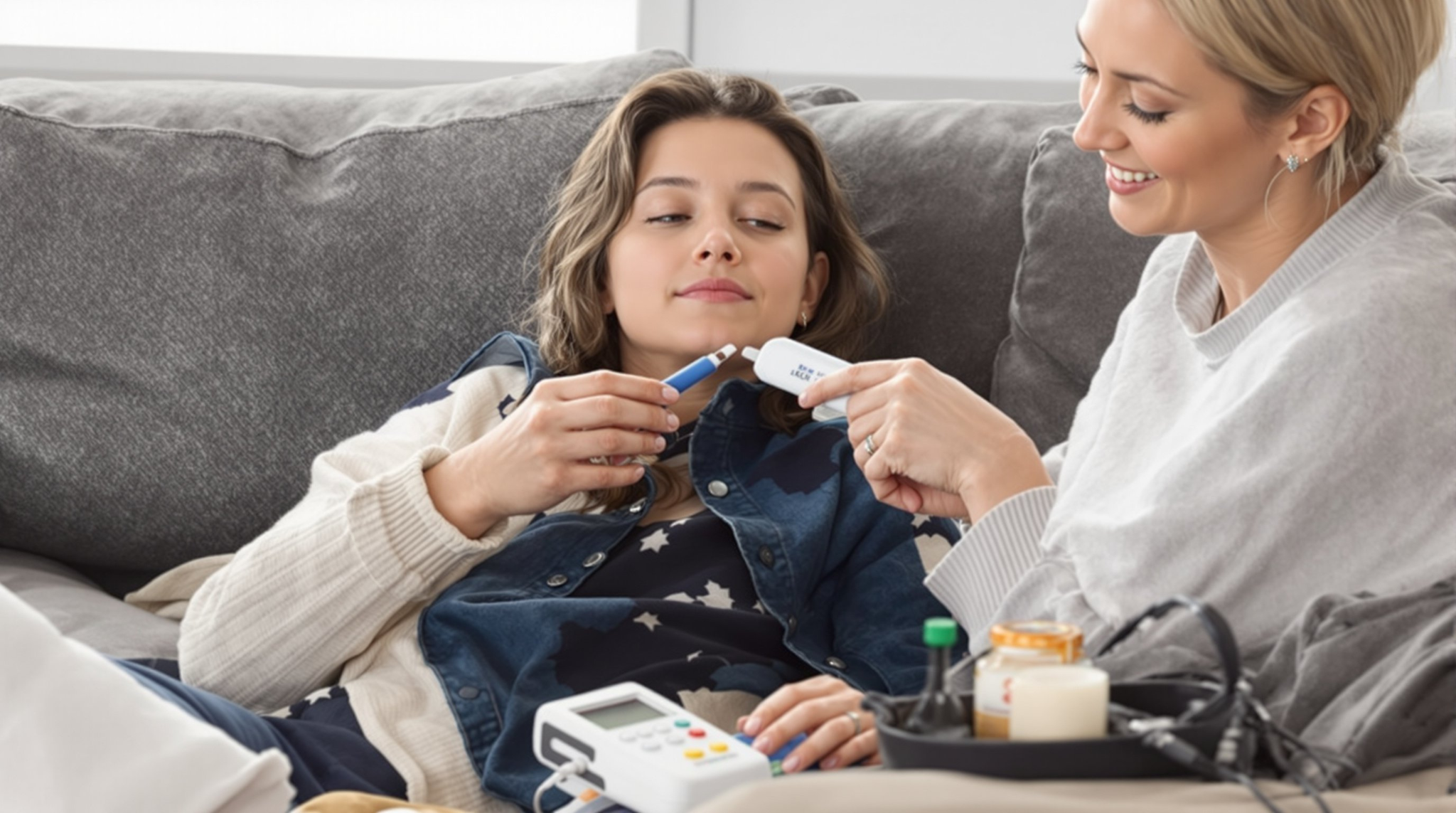
Emergency fostering steps in when children need a safe haven at a moment’s notice. These unsung heroes open their homes and hearts to provide immediate shelter during crisis situations – whether it’s the middle of the night or early morning hours.
While traditional foster care involves careful planning and matching, emergency foster parents must be ready to spring into action. They’re the rapid response team of the fostering world serving as a crucial bridge between a child’s past and future. Their role helps ensure vulnerable young ones have a soft place to land during life’s most challenging transitions.
What Is Emergency Foster Care
Emergency foster care provides temporary safe housing for children who face immediate risks or require urgent removal from their current living situation. This specialized form of fostering responds to critical situations where children need immediate placement in a secure environment.
Types of Emergency Placements
Emergency foster placements fall into three primary categories:
- Crisis Removals: Placements occurring when children face immediate danger from abuse neglect or domestic violence
- Police Protection: Temporary care following law enforcement intervention due to unsafe home conditions
- Hospital Discharge: Support for children who complete medical treatment but lack a safe home environment
- Bridge Placements: Short-term care during transitions between permanent foster homes
- Respite Emergency: Urgent coverage when existing foster parents face unexpected circumstances
Each placement type requires foster parents to maintain specific certification levels adaptable home environments 24/7 availability.
Duration of Emergency Care
Emergency foster placements operate within specific timeframes:
- Initial Period: 72 hours to assess immediate needs safeguard children
- Short-term Emergency: 1-2 weeks while authorities investigate family situations
- Extended Emergency: Up to 28 days for complex cases requiring detailed assessment
- Transitional Period: 30-45 days when moving toward long-term placement options
The duration depends on several factors:
- Child welfare assessment outcomes
- Court proceedings timelines
- Available permanent placement options
- Family reunification possibilities
- Resource family availability
Foster agencies track placement durations through digital systems ensuring children move to stable arrangements within appropriate timeframes.
Requirements for Emergency Foster Parents

Emergency foster parents meet specific criteria established by state child welfare agencies to ensure they’re equipped to provide immediate care for children in crisis. These requirements encompass both personal qualifications and professional training standards.
Basic Qualifications
Emergency foster parents must be at least 21 years old with a stable income source. Their homes require dedicated bedroom space for foster children with appropriate safety features like smoke detectors fire extinguishers. A clean criminal background check fingerprint clearance from all adult household members is mandatory. Foster parents demonstrate physical emotional capacity through medical examinations mental health screenings. Additional requirements include:
- Valid driver’s license insurance coverage
- Proof of homeownership or landlord approval
- Three character references from non-relatives
- Clean driving record without DUI violations
- Current CPR first aid certification
- Flexible work schedule for emergency placements
Training and Certification
Foster parents complete 30-40 hours of pre-service training through licensed agencies. The certification process includes:
- Child development trauma-informed care courses
- Crisis intervention de-escalation techniques
- Cultural competency diversity training
- Medication administration health management
- Documentation record-keeping procedures
- Child abuse neglect identification reporting
- Behavior management positive discipline methods
Annual recertification requires 20 hours of ongoing education quarterly assessments from agency supervisors. Foster parents maintain current certifications in specialized areas like infant care medical needs behavioral support. Training programs utilize both in-person virtual learning platforms with experienced instructors practical exercises.
The Process of Emergency Fostering
Emergency fostering follows a structured protocol designed to ensure child safety while meeting immediate placement needs. The process incorporates rapid response mechanisms combined with thorough safety checks.
Initial Assessment
Child welfare agencies conduct comprehensive evaluations within 4 hours of receiving an emergency placement request. Social workers document the child’s immediate needs including medical conditions, medications, dietary restrictions, allergies or behavioral concerns. A safety screening identifies potential risks, trauma exposure or special requirements to match the child with appropriate foster homes. Licensed emergency foster parents receive detailed briefings about the child’s circumstances, enabling them to prepare appropriate accommodations before placement.
Placement Procedures
Social workers contact qualified emergency foster homes through an automated alert system to identify available placements. Emergency foster parents confirm their availability within 30 minutes of notification. The placement process includes:
- Completing emergency placement documentation
- Arranging safe transportation to the foster home
- Transferring essential items like clothing medications
- Providing foster parents with emergency contact information
- Scheduling the initial medical screening within 24 hours
- Setting up the first social worker visit within 48 hours
Foster agencies maintain digital tracking systems to monitor placement progress while coordinating with legal authorities, medical providers or other involved parties to ensure proper documentation.
Supporting Children in Crisis
Emergency foster parents employ specialized strategies to support children during traumatic transitions. Their immediate response focuses on establishing security while addressing physical emotional needs.
Creating a Safe Environment
Emergency foster homes incorporate specific safety measures to protect vulnerable children. Foster parents establish clear routines incorporating scheduled meals rest periods activities that provide structure stability. The home environment includes designated personal spaces allowing children to maintain boundaries feel secure. Safety protocols encompass secure storage of medications cleaning supplies locked exterior doors monitored internet access. Foster parents maintain contact lists including emergency numbers medical providers social workers displayed in accessible locations.
| Safety Measure | Implementation |
|---|---|
| Secure Storage | Locked cabinets for medications supplies |
| Personal Space | Private bedroom or designated area |
| Emergency Info | Posted contact numbers protocols |
| Home Security | Monitored doors windows internet |
Meeting Immediate Needs
Emergency foster parents address essential requirements within the first 24 hours of placement. They provide clean clothing appropriate sizes toiletries comfort items based on age gender preferences. Foster homes stock emergency supplies including:
- Medical: First aid kits prescribed medications health records
- Nutrition: Age-appropriate foods dietary supplements formula
- Comfort: Blankets stuffed animals night lights books
- Hygiene: Toothbrushes soap shampoo personal care items
- School: Basic supplies backpacks appropriate clothing
Foster parents coordinate with social workers to obtain necessary documentation arrange medical screenings secure educational placement. They maintain detailed records of immediate interventions responses ensuring proper documentation for child welfare agencies.
Challenges and Rewards
Emergency fostering presents distinct challenges alongside meaningful opportunities to impact children’s lives during critical transitions. The experience combines intense emotional demands with profound moments of positive change.
Common Difficulties
Emergency foster parents face significant emotional strain from managing unpredictable schedules with minimal preparation time. Children arrive traumatized from crisis situations requiring immediate comfort while dealing with unknown medical histories or behavioral needs. Foster parents navigate complex relationships with biological families during heightened stress periods. The role demands constant availability for sudden placements disrupting family routines. Managing administrative requirements adds pressure through extensive documentation tracking appointments medical screenings court dates. Limited background information about incoming children creates uncertainty in addressing specific needs or triggers.
Making a Difference
Emergency foster parents provide essential stability during children’s most vulnerable moments. Their intervention prevents children from entering institutional care creating opportunities for healing in a family environment. Foster parents witness meaningful progress as children begin feeling safe expressing emotions forming healthy attachments. Each placement offers chances to teach vital life skills model healthy relationships demonstrate unconditional support. The impact extends beyond individual children to strengthen entire communities by creating networks of care. Foster parents gain profound satisfaction from knowing their homes serve as crucial safe havens in crisis moments.
Working With Child Services
Emergency foster parents collaborate with child services through established protocols to ensure optimal care for children in crisis. The partnership focuses on maintaining clear communication channels while accessing comprehensive support systems.
Communication Protocols
Emergency foster parents maintain 24/7 contact with assigned social workers through dedicated emergency hotlines. Social workers conduct daily check-ins during the first 72 hours of placement via phone calls or home visits. Foster parents document critical information in digital case management systems, including behavioral observations, medical needs, and daily routines. The communication chain includes:
- Immediate incident reporting through encrypted messaging platforms
- Weekly status updates via scheduled video conferences
- Monthly in-person meetings for case reviews
- Real-time alerts for medical emergencies or safety concerns
- Documentation sharing through secure online portals
Available Support Systems
Child services provides emergency foster parents with multiple support resources. The support network includes specialized crisis intervention teams, medical professionals, and mental health experts. Foster parents receive access to:
- 24-hour crisis intervention hotlines
- Emergency respite care services
- Mobile medical units for urgent health assessments
- Trauma-informed counselors
- Legal advocacy teams
- Educational support specialists
- Financial assistance programs
- Transportation services
- Mentorship from experienced foster parents
- Training workshops for specific behavioral challenges
The support framework enables foster parents to address immediate needs while maintaining placement stability.
Conclusion
Emergency fostering stands as a vital lifeline in child welfare protecting vulnerable children during their most critical moments. These dedicated foster parents step up to provide immediate safety stability and care when children need it most.
The comprehensive support system including 24/7 crisis teams medical professionals and mental health experts ensures that both foster parents and children receive the assistance they need. While challenging the role offers unparalleled opportunities to make lasting positive impacts on young lives.
Emergency foster parents truly serve as heroes in their communities creating safe havens that bridge crucial gaps in children’s lives. Their commitment to being available at a moment’s notice helps preserve the well-being of countless vulnerable youth.