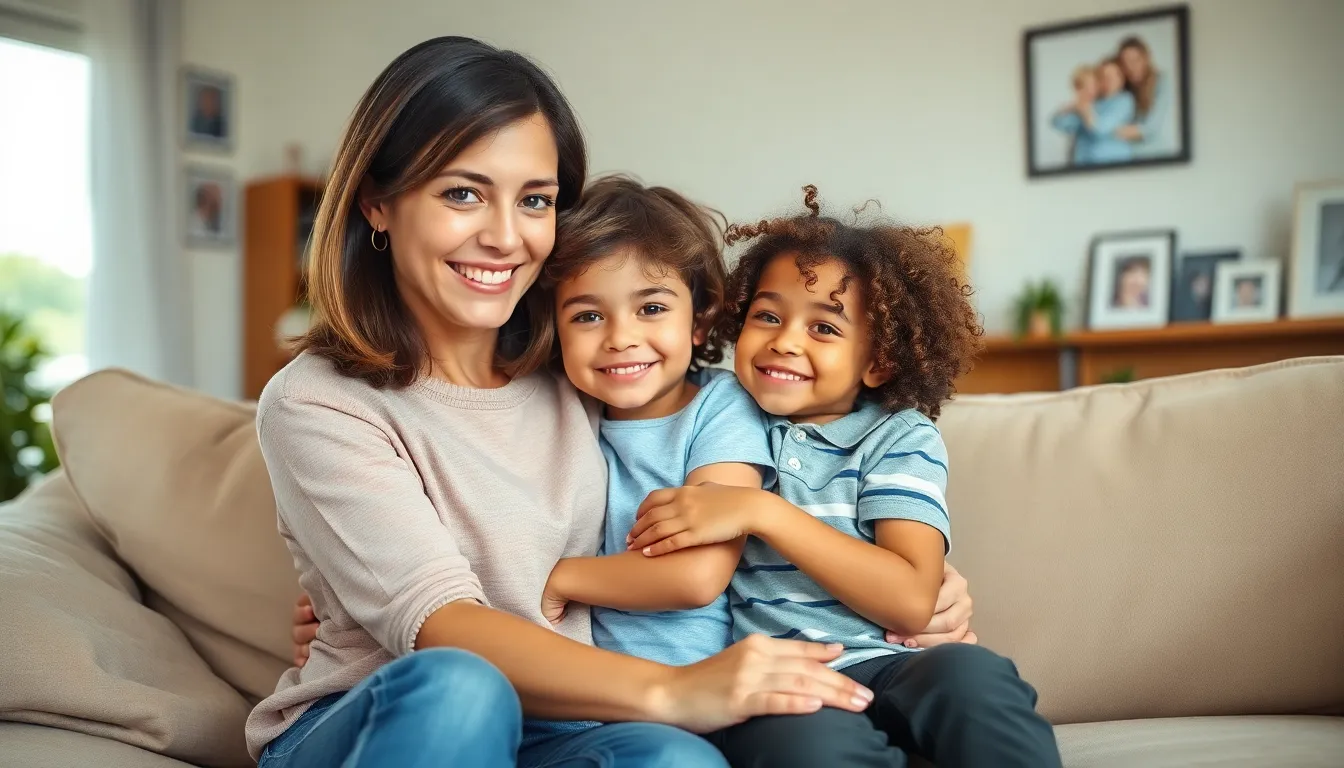
Adoption is a beautiful journey that brings families together, but it can also stir up a whirlwind of emotions. For both adoptive parents and children, navigating the complexities of attachment, identity, and belonging requires a strong support system. Understanding the emotional landscape of adoption is crucial for fostering healthy relationships and ensuring everyone feels secure.
Emotional support plays a vital role in this process. It helps families address challenges, celebrate milestones, and create a nurturing environment. From counseling services to support groups, various resources are available to guide families through their unique experiences. By prioritizing emotional well-being, adoptive families can thrive and build lasting connections that enrich their lives.
Understanding Adoption Emotional Support
Adoption emotional support plays a critical role in the overall wellness of adoptive families. Recognizing emotional needs helps simplify the complexities of the adoption journey and improves family dynamics.
The Importance of Emotional Support in Adoption
Emotional support strengthens relationships and enhances coping mechanisms. It enables adoptive parents to navigate feelings of uncertainty and allows children to express their emotions safely. Support fosters a unique bond within the family, promoting trust and resilience. It also addresses feelings of loss or grief that may surface during the process, ensuring that adoptive families adapt positively to their new circumstances.
Types of Emotional Support Available
- Counseling Services: Professional therapists provide tailored support to families, addressing individual and group dynamics related to adoption.
- Support Groups: Local and online support groups connect families facing similar challenges, offering shared experiences and emotional relief.
- Workshops and Seminars: Educational sessions on topics related to adoption help families gain insights and coping strategies.
- Peer Mentoring: Experienced adoptive parents serve as mentors, sharing personal experiences and practical advice to guide new families.
- Online Resources: Numerous websites and forums offer articles, videos, and community discussions addressing adoption-related emotional needs.
Emotional support in adoption is essential for fostering a nurturing environment and enhancing family bonds.
Challenges in Adoption Emotional Support

Adoption presents unique emotional challenges that require attention and understanding. Both adoptive parents and children face various struggles, highlighting the need for tailored emotional support systems.
Common Emotional Struggles for Adoptive Parents
Adoptive parents commonly experience feelings of inadequacy and anxiety related to parenting. These emotional struggles may stem from concerns about bonding with the child or navigating the complexities of the adoption process. Parents often worry about how their child’s background may affect family dynamics.
Adoptive parents might also encounter feelings of isolation, primarily if they lack a supportive community. Encountering stigma or misconceptions about adoption can further exacerbate these feelings. Guilt regarding the child’s birth family can complicate emotions as well, leading to additional stress. Recognizing these emotional challenges is crucial for adoptive parents to seek appropriate support.
Emotional Needs of Adopted Children
Adopted children frequently grapple with unique emotional needs that differ from those of their peers. They may experience grief over their birth family and struggle with identity issues as they navigate their dual heritage. Feelings of abandonment are common, leading to anxiety and insecurity.
Communication about adoption often poses challenges. Children may find it difficult to express their feelings or ask questions about their origins. Establishing a safe, nurturing environment encourages children to share their emotions. Building trust and providing reassurance helps children feel secure within their adoptive families, thereby fostering emotional well-being.
Understanding these emotional aspects is essential for ensuring that both adoptive parents and children receive the necessary support for healthy development and relationships.
Strategies for Providing Effective Emotional Support
Effective emotional support requires a structured approach that combines both personal and professional resources tailored to the unique needs of adoptive families.
Building a Support Network
Creating a robust support network plays a pivotal role in emotional stability for adoptive parents and children. Individuals should consider the following strategies:
- Connect with Local Communities: Joining local adoption groups fosters connections with other adoptive families. Shared experiences promote understanding and reduce feelings of isolation.
- Engage in Online Platforms: Many online forums and social media groups provide a safe space for sharing challenges and successes. Virtual connections can extend support far beyond geographical limits.
- Participate in Workshops: Attending workshops and seminars on adoption-related topics enables families to learn coping strategies while meeting others undergoing similar journeys.
- Involve Extended Family: Educating neighbors, friends, and family about adoption can build a larger, more informed support system. Their involvement encourages an inclusive atmosphere for the child.
Professional Resources and Counseling
Utilizing professional resources enhances emotional support for adoptive families. Parents and children can benefit from specialized guidance through the following means:
- Seek Licensed Therapists: Therapists specializing in adoption-related issues can provide tailored strategies to address complex emotions and foster healthy communication skills.
- Access Support Groups: Many communities and organizations offer professional-led support groups where families can discuss challenges and gain insights from experienced peers.
- Utilize School Counselors: School counselors often have resources and strategies to support adopted children’s emotional needs in educational settings.
- Explore Telehealth Options: For families in remote areas, telehealth services offer flexible access to counseling and emotional support, ensuring consistent care.
Integrating these strategies helps build a resilient environment that nurtures the emotional well-being of both adoptive parents and children, ensuring they thrive as a unit.
Personal Stories and Experiences
Listening to personal stories offers profound insights into the emotional support experienced by adoptive families. Such narratives illustrate the significance of community and shared understanding in the adoption journey.
Shared Experiences from Adoptive Families
Adoptive families often share experiences that highlight the emotional rollercoaster of their journeys. Many parents report initial feelings of excitement mixed with anxiety. Examples include:
- Navigating Bonding Issues: Some families find that bonding takes time and effort, often involving ongoing encouragement and patient communication to foster trust.
- Finding Support Networks: Many families benefit from engaging in local adoption support groups. These connections provide valuable opportunities to share vulnerabilities and receive comfort.
- Celebrating Milestones: Families frequently express joy during key milestones, such as the child’s first birthday in the adoptive home, emphasizing the importance of recognizing these significant moments together.
Stories like these reaffirm the need for emotional support in creating strong family bonds. They also underscore the impact of shared experiences in empowering other families navigating similar paths.
Insights from Adoption Professionals
Insights from adoption professionals reveal essential strategies for enhancing emotional support within adoptive families. Professionals often recommend:
- Facilitating Open Communication: Experts emphasize the need for ongoing dialogues about feelings and experiences. Open communication fosters a safe environment where children feel comfortable expressing their thoughts.
- Organizing Workshops and Training: Professionals advocate for workshops that equip adoptive parents with tools to address emotional complexities. Techniques include specific strategies to help children cope with feelings of loss or identity.
- Utilizing Therapeutic Resources: Many professionals suggest incorporating therapy or counseling into the family routine. This structured support helps families process emotions and build resilience over time.
These insights highlight the expertise that adoption professionals contribute, reassuring families that they are not alone in their journeys. Understanding these perspectives fosters a compassionate environment where families can thrive emotionally.
Emotional support is vital for adoptive families as they navigate their unique journeys. By prioritizing emotional well-being and fostering open communication, families can create a nurturing environment that promotes connection and resilience. Utilizing available resources such as counseling services and support groups can significantly enhance the emotional landscape for both parents and children.
Adoptive families should recognize the importance of building a robust support network. Sharing experiences and seeking guidance from others can alleviate feelings of isolation and anxiety. As families celebrate milestones and work through challenges together, they’ll find strength in their bonds, ensuring a thriving and supportive atmosphere for everyone involved.