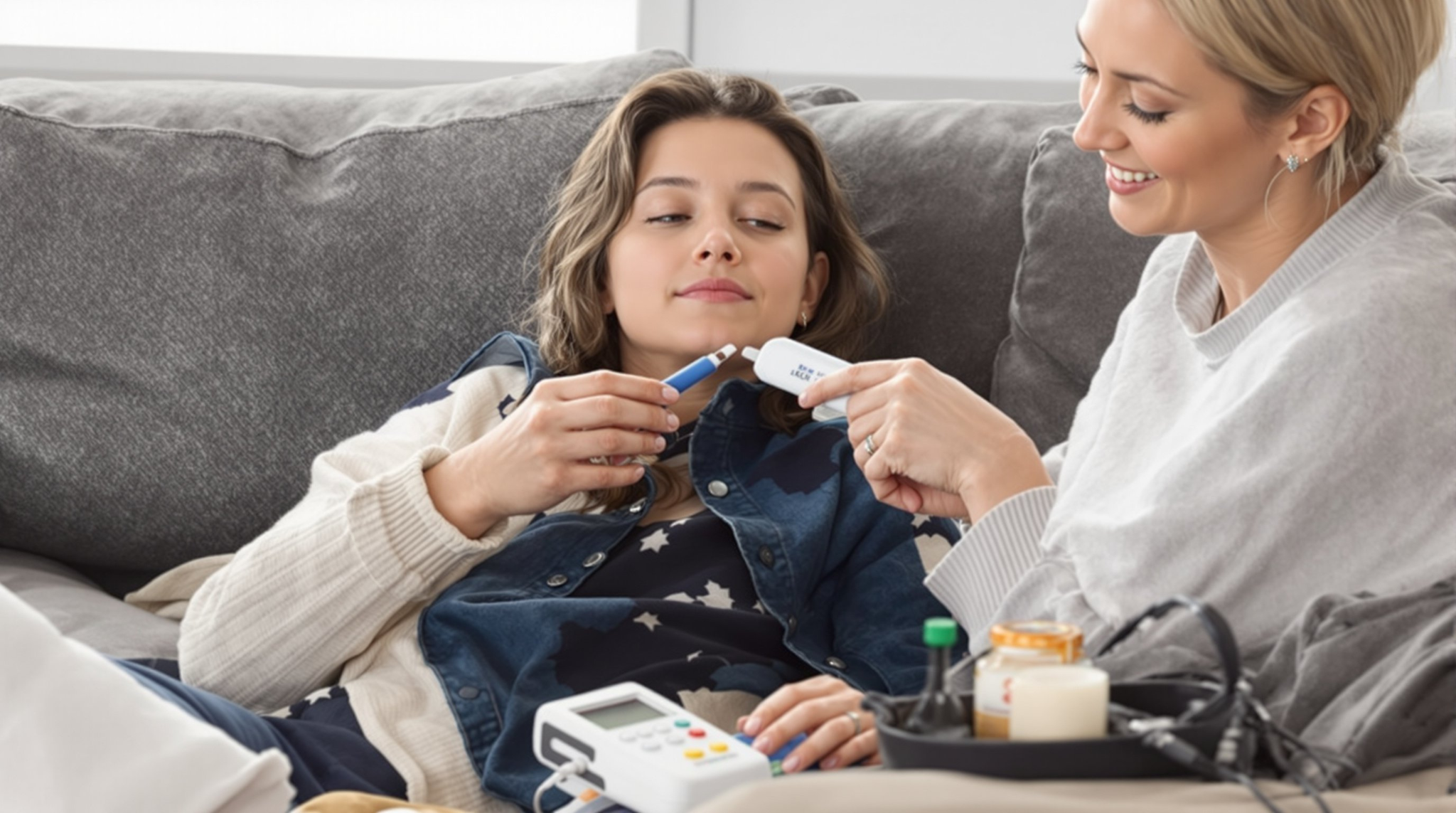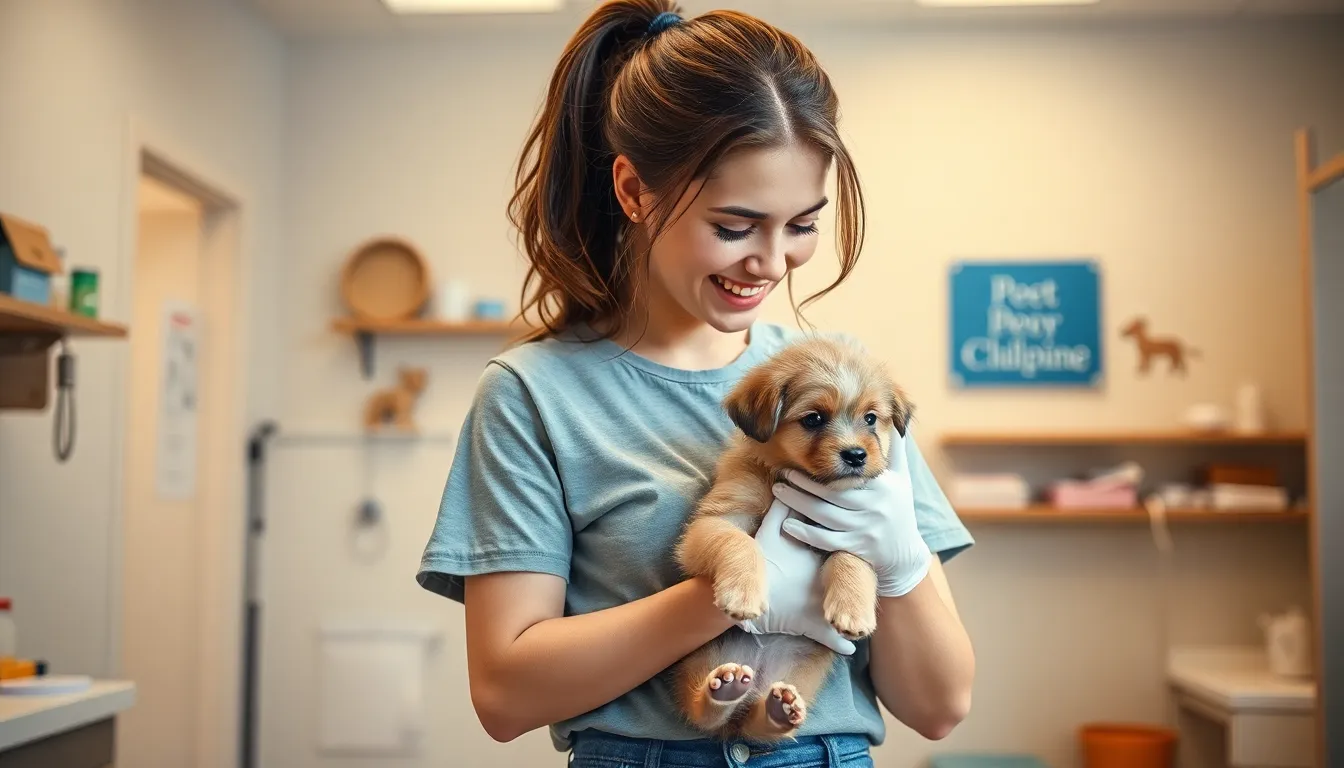
Welcoming a puppy into the family brings joy and excitement, but it also comes with responsibilities, especially when it comes to their health. Vaccinations are crucial for a puppy’s well-being, protecting them from various diseases and ensuring they grow into healthy adults. Knowing how to give puppy shots can empower pet owners to take charge of their furry friends’ health care.
Administering vaccinations might seem daunting at first, but with the right guidance and preparation, it can be a straightforward process. Understanding the types of vaccines needed and the proper techniques for administering them is essential. This article will break down everything pet owners need to know to confidently give their puppies the shots they need to thrive.
Importance Of Puppy Vaccinations
Puppy vaccinations protect against serious diseases, ensuring a strong immune system. Vaccines stimulate an immune response, equipping the body to fight off infections.
Puppies are vulnerable to various diseases such as parvovirus, distemper, and hepatitis. These diseases can lead to severe health issues or even death. Vaccination significantly reduces the risk of contracting these illnesses.
Vaccination schedules typically include core vaccines, which are essential for every puppy, and non-core vaccines, which may be recommended based on lifestyle or environmental factors. Core vaccines include:
- Canine parvovirus: A highly contagious virus causing severe gastrointestinal illness.
- Canine distemper: A viral disease affecting multiple body systems, often fatal.
- Canine adenovirus: A virus causing respiratory and liver disease.
Puppies usually receive multiple doses of these core vaccines, typically starting at 6–8 weeks of age and continuing until about 16 weeks. Non-core vaccines include:
- Bordetella bronchiseptica: A bacterium causing kennel cough, recommended for dogs in boarding situations.
- Lyme disease: A tick-borne illness; vaccination is advisable for dogs in high-risk areas.
Vaccinations not only safeguard individual puppies but also help achieve herd immunity, reducing disease spread within the pet community. Regular booster shots maintain immunity over time.
Consulting a veterinarian ensures puppies receive the right vaccines based on their specific needs. Vaccination is a critical component of responsible pet ownership, contributing to a healthy, thriving puppy.
Types Of Vaccines For Puppies
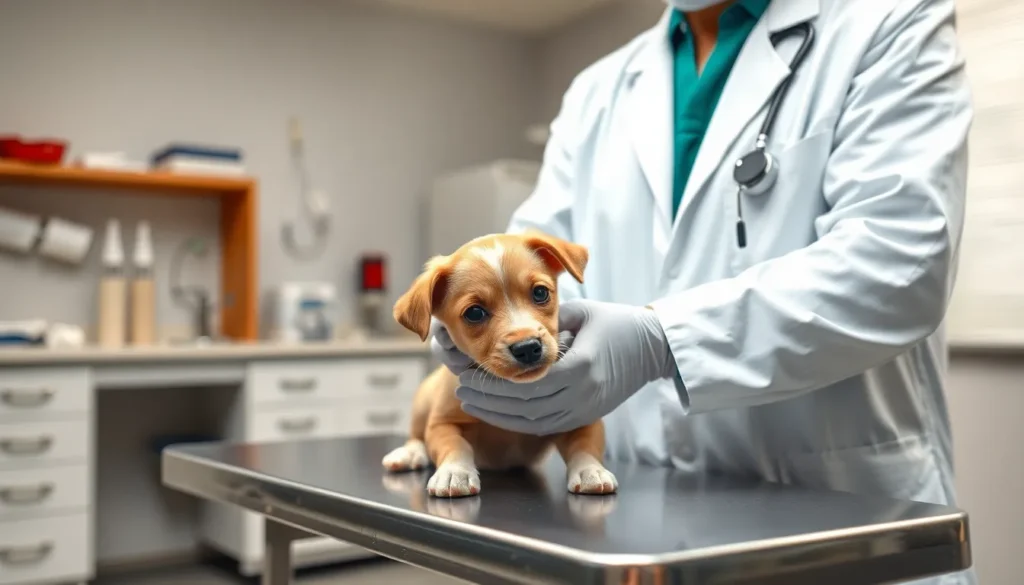
Vaccinations for puppies fall into two main categories: core vaccines and non-core vaccines. Both types play essential roles in protecting a puppy’s health and ensuring a robust immune system.
Core Vaccines
Core vaccines are vital for all puppies, providing protection against severe and common illnesses. These vaccines typically include:
- Canine Parvovirus: This highly contagious virus can cause severe gastrointestinal disease and is often fatal without treatment.
- Canine Distemper: A serious virus affecting the respiratory, gastrointestinal, and central nervous systems, it can lead to widespread health issues and death.
- Adenovirus (Canine Hepatitis): This virus leads to liver disease and can cause severe complications if left unvaccinated.
Vaccines for these diseases are commonly administered in a series starting at 6–8 weeks of age, typically followed by boosters. According to the American Veterinary Medical Association, core vaccinations are crucial for maintaining a puppy’s health and curbing the spread of diseases.
Non-Core Vaccines
Non-core vaccines offer protection based on environmental exposure and lifestyle. These vaccines include:
- Bordetella Bronchiseptica: Recommended for puppies frequently exposed to other dogs, such as those attending daycare or dog parks, as it causes kennel cough.
- Lyme Disease: Advised for puppies in areas where tick-borne diseases are prevalent, effectively preventing Lyme borreliosis, a serious infection transmitted by ticks.
- Rabies: Mandatory by law in many jurisdictions, the rabies vaccine protects against a deadly virus transmitted through bites from infected animals.
The necessity for non-core vaccinations depends on specific factors. Regular consultation with a veterinarian ensures the right vaccines are chosen based on individual lifestyle and regional risks.
Preparing For The Vaccination
Preparation is essential for a smooth vaccination process. Proper planning helps reduce stress for both the puppy and the owner.
Gathering Supplies
Gather the necessary supplies before the vaccination. Essential items include:
- Vaccines: Ensure vaccines are appropriate for the puppy’s age and health status. Consult with a veterinarian for recommended vaccines.
- Syringe and Needle: Use the correct gauge and size syringe and needle based on the vaccine type and puppy size. Typically, a 22-25 gauge needle is suitable for puppies.
- Alcohol Swabs: Clean the injection site with alcohol swabs to prevent infection.
- Treats: Offer treats to reward the puppy during and after the vaccination, creating a positive experience.
- Thermometer: Check the puppy’s temperature before administering the shot; the normal range is between 101°F and 102.5°F.
Choosing The Right Time
- Puppy’s Energy Level: Schedule the vaccination after a play session when the puppy is calm. This helps in reducing anxiety.
- Veterinary Office Hours: Book the appointment during less busy hours to ensure prompt attention from the veterinary staff.
- Health Status: Avoid scheduling vaccinations when the puppy is ill or stressed, as it could affect the immune response to the vaccine.
Administering The Shots
Administering puppy shots requires careful attention and a systematic approach. Following the proper method ensures vaccinations are effective and minimizes stress for the puppy.
Step-By-Step Guide
- Prepare the Environment: Choose a quiet and comfortable area free of distractions. This helps keep the puppy calm.
- Gather Supplies: Collect all necessary items, including vaccines, syringes, alcohol swabs, treats, and a thermometer.
- Check the Vaccine: Confirm the vaccine’s expiration date and read the label for correct usage instructions.
- Hold the Puppy Securely: If someone else is available, have them hold the puppy securely. If alone, place the puppy on a non-slip surface.
- Clean the Injection Site: Use an alcohol swab to clean the area where the shot will be administered.
- Administer the Shot: Pull back the syringe plunger slightly to ensure there’s no blood return, indicating proper placement. Inject the vaccine steadily.
- Reward the Puppy: After the shot, provide treats and gentle praise to create a positive experience and alleviate stress.
- Observe for Reactions: Monitor the puppy for any adverse reactions for at least 15 minutes following the vaccination.
Common Mistakes To Avoid
- Neglecting Veterinary Consultation: Skipping the veterinarian consultation might lead to missed recommendations based on the puppy’s health needs.
- Using Expired Vaccines: Administering expired vaccines can render them ineffective, jeopardizing the puppy’s health.
- Forgetting to Prepare the Puppy: Not allowing the puppy to calm down before the procedure can result in increased stress.
- Administering Shots While Ill: Giving vaccinations to a sick puppy may lead to unnecessary complications or reduced immune response.
- Forgetfulness in Record Keeping: Failing to document vaccination dates can disrupt the vaccine schedule, risking missed booster shots.
Post-Vaccination Care
Post-vaccination care is crucial for ensuring a puppy’s well-being after receiving shots. Proper monitoring and awareness of potential reactions help maintain a healthy recovery.
Monitoring Your Puppy
Monitoring the puppy closely after vaccinations ensures any adverse reactions are identified early. Observing common side effects, such as mild lethargy or slight swelling at the injection site, is essential. These symptoms typically resolve within 24–48 hours. Checking the puppy’s temperature is beneficial; a fever over 103°F (39.4°C) warrants further attention. Providing a quiet and comfortable environment aids in helping the puppy relax and recover effectively.
When To Contact A Veterinarian
Contacting a veterinarian promptly is vital if any severe reactions occur. Symptoms like excessive vomiting, diarrhea, difficulty breathing, or swelling of the face indicate an immediate need for professional assistance. Understanding that reactions can happen within hours of vaccination emphasizes the importance of being vigilant during this period. Using a contact card that lists the puppy’s vaccination history and potential symptoms can facilitate effective communication with the veterinarian if concerns arise.
Administering puppy shots is a vital responsibility that every pet owner should embrace. With the right preparation and knowledge, it becomes a straightforward process that significantly contributes to a puppy’s long-term health. By following the recommended vaccination schedule and techniques, owners can ensure their puppies are protected against serious diseases.
Monitoring the puppy post-vaccination allows for early detection of any adverse reactions, ensuring a smooth recovery. Ultimately, taking these steps not only safeguards individual puppies but also promotes a healthier pet community. Empowered with this knowledge, pet owners can confidently navigate the vaccination journey, fostering a thriving and happy life for their furry companions.