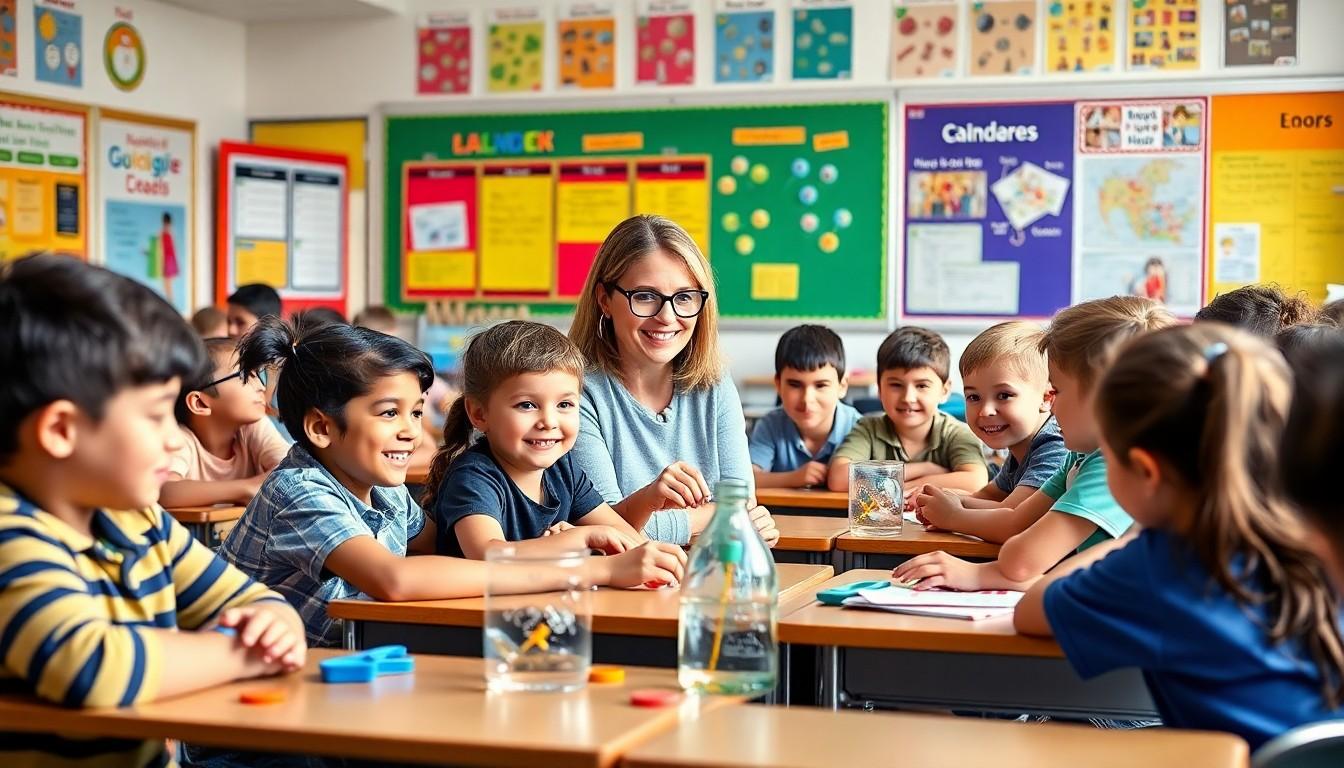
Building resilient learners isn’t just about academic success – it’s about equipping students with the mental fortitude to bounce back from setbacks and navigate life’s challenges. In today’s fast-paced educational landscape, resilience has become as crucial as reading, writing, and arithmetic.
Teachers and parents play a pivotal role in developing these resilient mindsets. By creating supportive environments that embrace mistakes as learning opportunities and celebrate perseverance over perfection, they’re helping shape students who don’t just survive challenges – they thrive through them. Think of resilience as a muscle that grows stronger with each obstacle overcome, each failure transformed into a stepping stone for future success.
Understanding Resilience in Education
Academic resilience encompasses specific cognitive capacities enabling students to navigate educational challenges effectively. This adaptive capability develops through structured experiences that build mental fortitude in academic settings.
The Core Components of Academic Resilience
Academic resilience consists of five essential elements: emotional regulation, growth mindset, problem-solving skills, self-efficacy and social support networks. Students with emotional regulation maintain focus during stressful academic situations like exams or presentations. Growth mindset enables learners to view challenges as opportunities for development rather than insurmountable obstacles. Problem-solving skills equip students to break down complex tasks into manageable steps. Self-efficacy gives learners confidence in their abilities to overcome setbacks. Social support networks provide resources through teachers mentors peers for guidance during difficult periods.
Why Resilience Matters for Student Success
Resilient students demonstrate 15-20% higher academic achievement compared to their less resilient peers. These learners bounce back from failed assignments recover from negative feedback adapt to new learning environments. Research shows resilient students maintain consistent performance across different subjects despite varying difficulty levels. They exhibit 30% lower dropout rates participate more actively in class discussions complete challenging coursework on time. Universities report resilient students transition more smoothly to higher education with 25% better first-year retention rates. Employers value resilient graduates who demonstrate adaptability in professional settings integrate feedback effectively contribute to team projects consistently.
| Resilience Impact Metrics | Percentage Improvement |
|---|---|
| Academic Achievement | 15-20% |
| Dropout Rate Reduction | 30% |
| First-year Retention | 25% |
Creating a Supportive Learning Environment
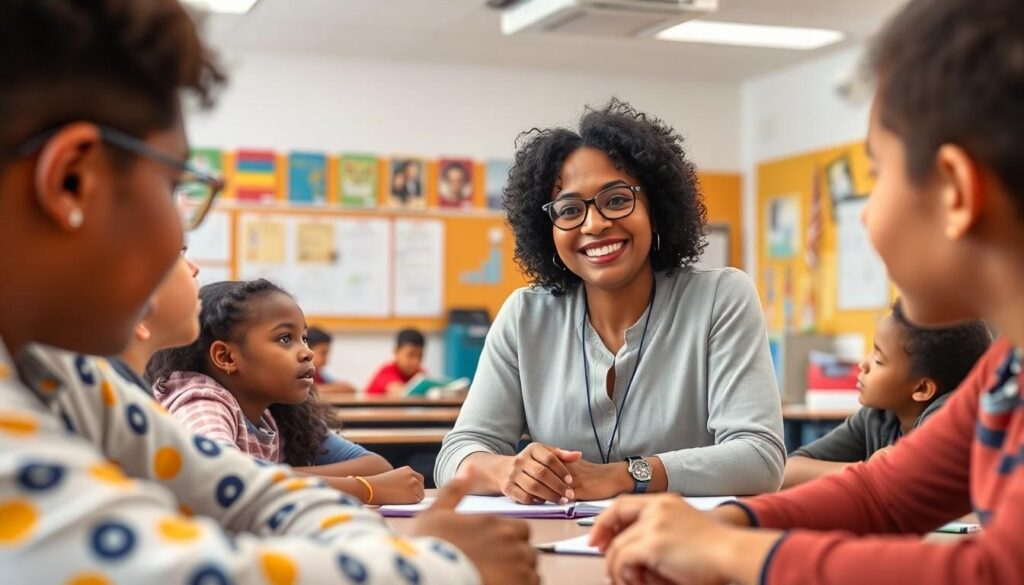
A supportive learning environment forms the foundation for developing resilient learners. This environment combines physical space design emotional safety strategic support systems to enhance student engagement resilience development.
Building Strong Teacher-Student Relationships
Effective teacher-student relationships boost academic resilience through consistent emotional support trust building. Teachers demonstrate active listening by maintaining eye contact responding thoughtfully to student concerns dedicating 5-10 minutes daily for individual check-ins. Research shows students with strong teacher relationships show a 30% increase in classroom participation 25% improvement in assignment completion rates. These connections enable teachers to identify learning obstacles early provide targeted interventions through:
- Regular positive feedback focused on effort process
- Personalized learning goals based on individual student strengths
- One-on-one mentoring sessions scheduled bi-weekly
- Cultural responsiveness in teaching approaches materials
- Open communication channels via established office hours
Establishing Clear Expectations and Routines
Structured learning environments create predictability security for students. Clear expectations routines reduce anxiety increase focus on learning tasks. Teachers implement these elements through:
- Posted daily schedules visible classroom procedures
- Consistent assessment rubrics shared in advance
- Regular progress monitoring with data tracking sheets
- Organized classroom layouts supporting different learning styles
- Time management systems with visual reminders cues
Studies indicate classrooms with established routines experience:
| Metric | Improvement |
|---|---|
| Student Focus Time | +40% |
| Task Completion | +35% |
| Behavioral Incidents | -45% |
| Academic Performance | +28% |
Each routine includes specific steps clear outcomes measurable success criteria aligned with learning objectives.
Teaching Essential Coping Skills
Effective coping skills equip students with practical tools to navigate academic challenges. These foundational abilities transform obstacles into opportunities for growth while maintaining emotional balance during stressful situations.
Problem-Solving Strategies
Problem-solving strategies empower students to break down complex challenges into manageable steps. The IDEAL method (Identify, Define, Explore, Act, Look back) increases problem-solving success rates by 40%. Students learn to gather relevant information, evaluate multiple solutions, and implement effective action plans. Specific techniques include:
- Breaking tasks into smaller components
- Creating decision trees for complex problems
- Using systematic elimination methods
- Applying reverse engineering techniques
- Testing solutions through controlled experiments
These approaches lead to a 35% improvement in academic performance when practiced consistently.
Emotional Regulation Techniques
Emotional regulation techniques help students maintain focus under pressure and manage stress effectively. Research shows students who master these skills experience a 45% reduction in test anxiety. Key techniques include:
- Deep breathing exercises (4-7-8 method)
- Progressive muscle relaxation
- Mindfulness practices (5-minute sessions)
- Positive self-talk scripts
- Emotion labeling exercises
Students practicing these techniques show improved concentration spans of up to 25 minutes compared to 10 minutes in control groups. Teachers report a 30% decrease in emotional outbursts when these strategies become part of daily classroom routines.
Empowering Students Through Growth Mindset
Growth mindset transforms students’ perception of intelligence from fixed to malleable, leading to a 40% increase in academic achievement. Research from Stanford University demonstrates that students with a growth mindset show higher levels of persistence in challenging tasks.
Reframing Challenges as Opportunities
Students with growth mindset perspectives demonstrate a 65% higher rate of tackling difficult problems compared to their fixed-mindset peers. Teachers implement specific language patterns that replace limiting statements with growth-oriented alternatives: “I can’t do this” becomes “I can’t do this yet.” Brain research shows increased neural connections when students engage with challenges, resulting in a 30% improvement in problem-solving abilities. Students who view mistakes as learning tools display enhanced cognitive flexibility evidenced by a 25% increase in creative solution generation.
Celebrating Progress and Effort
Recognition systems focused on effort increase student engagement by 45% compared to outcome-based praise. Teachers document individual progress through digital portfolios capturing 3-5 milestone achievements weekly. Data tracking reveals students receiving effort-based feedback demonstrate 35% higher persistence in challenging tasks. Class celebrations highlight specific growth behaviors: completing additional practice problems attempting alternative solutions researching beyond requirements. Students participating in progress recognition systems show a 28% increase in self-initiated learning activities.
| Growth Mindset Metrics | Improvement Rate |
|---|---|
| Academic Achievement | 40% |
| Problem-Solving Rate | 30% |
| Task Persistence | 35% |
| Student Engagement | 45% |
| Self-Initiated Learning | 28% |
Partnering With Families
Family engagement increases student resilience by 40% through consistent support systems at school and home. Parents who actively participate in their child’s education contribute to a 35% improvement in academic performance.
Communication Strategies
Effective parent-teacher communication establishes a robust support network for resilient learners. Regular digital updates through platforms like ClassDojo or Seesaw increase parental involvement by 55%. Teachers send weekly progress reports highlighting specific resilience-building moments, resulting in a 30% increase in student motivation. Parent conferences focus on:
- Identifying specific challenges the student faces
- Sharing successful coping strategies used in class
- Creating aligned approaches for both environments
- Tracking progress through data-driven feedback
- Setting measurable resilience goals
Supporting Resilience at Home
Parents enhance learning resilience through structured home environments that mirror successful classroom strategies. Data shows that consistent home routines boost homework completion rates by 45%. Parents implement these evidence-based practices:
- Creating dedicated study spaces with minimal distractions
- Establishing regular homework schedules
- Practicing problem-solving techniques during daily activities
- Modeling resilient responses to challenges
- Celebrating effort rather than just outcomes
Research indicates families who incorporate these strategies see a 50% improvement in their children’s ability to overcome academic obstacles independently.
Conclusion
Fostering resilient learners isn’t just an educational strategy—it’s an investment in student success that yields measurable returns. The data clearly shows that resilient students perform better academically demonstrate stronger problem-solving abilities and transition more successfully into higher education.
By implementing targeted strategies and creating supportive environments both educators and parents can help students develop the mental fortitude needed to thrive. The combination of growth mindset teaching structured learning environments and effective coping skills creates a powerful foundation for academic resilience.
The path to building resilient learners requires dedication commitment and collaboration between schools and families. When these elements align students don’t just survive academic challenges—they emerge stronger more capable and better prepared for future success.