
Family traditions are the threads that weave together the fabric of shared memories and experiences. They create a sense of belonging and connection, transforming ordinary moments into cherished rituals. Whether it’s a weekly game night, holiday celebrations, or simple Sunday brunches, these traditions foster unity and strengthen bonds among family members.
In a fast-paced world, establishing traditions offers a comforting routine that everyone can look forward to. They provide opportunities for storytelling, laughter, and the creation of lasting memories. By intentionally creating and nurturing these traditions, families can cultivate a legacy that spans generations, ensuring that the values and joys of today are passed down to tomorrow.
Importance Of Creating Family Traditions
Creating family traditions enhances the emotional connections between family members. These practices, whether formal or informal, instill a sense of identity and continuity. Families that engage in traditions often report higher levels of happiness and satisfaction. Additionally, consistent routines provide a sense of security, especially for children. Traditions serve as touchstones in families’ lives, marking milestones and memorable moments.
Strengthening family bonds occurs through shared experiences. Traditions promote participation and collaboration, encouraging family members to work together towards a common goal. This teamwork fosters communication and understanding, allowing members to express themselves freely.
Fostering a legacy for future generations becomes achievable through established traditions. When families pass down rituals, values, and stories, they create a framework for future members to connect with their heritage. These shared narratives reinforce a sense of belonging and identity that lasts beyond immediate experiences.
Encouraging resilience is another critical aspect of family traditions. In challenging times, families that rely on their traditions often experience greater resilience. Relying on familiar customs provides comfort during stressful situations, reinforcing family unity and support.
Establishing family traditions allows for the creation of lasting memories. The joy of shared activities and celebrations forms a treasure trove of experiences that family members can reminisce about for years. Such memories enrich family narratives, contributing to a cohesive family history that each member cherishes.
Types Of Family Traditions
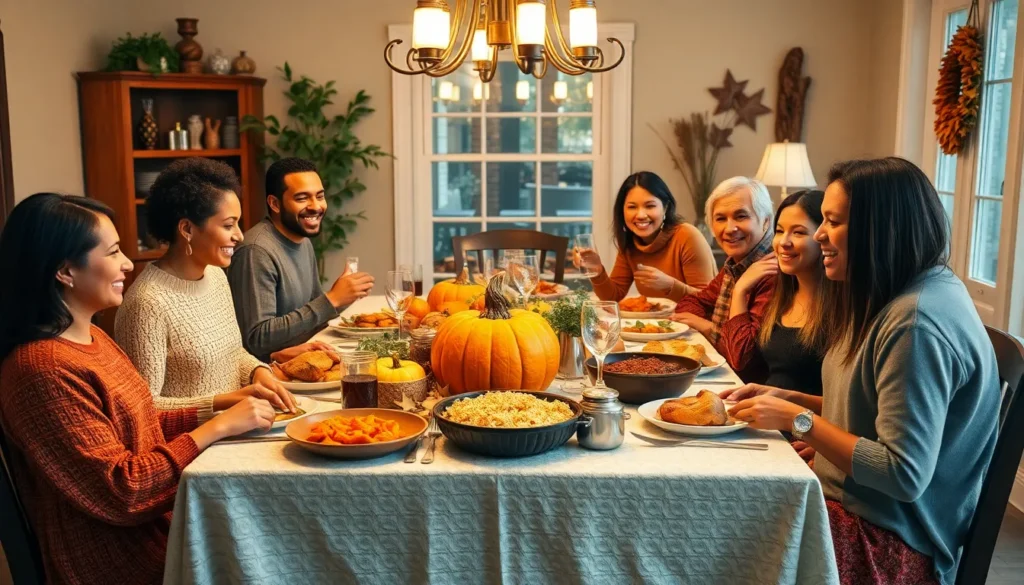
Family traditions come in various forms, each enriching the family dynamic and enhancing connections. These traditions can be categorized into seasonal traditions, daily rituals, and special occasion celebrations.
Seasonal Traditions
Seasonal traditions mark specific times of the year and often align with holidays. Families might create unique customs during holidays such as Thanksgiving, Christmas, or Halloween. For instance:
- Families often gather for a Thanksgiving dinner, sharing recipes and stories.
- Christmas Eve traditions may include decorating the tree together or reading holiday-themed stories.
- Halloween activities can involve carving pumpkins or hosting costume parties.
These customs provide a sense of anticipation and help families bond over shared experiences tied to the changing seasons.
Daily Rituals
Daily rituals foster consistent interaction and connection among family members. These can include:
- Having breakfast together each morning, facilitating conversation and connection.
- Establishing a bedtime routine, promoting stability and comfort for children.
- Designating a specific day for family game or movie nights, providing quality time amidst busy schedules.
These rituals create a rhythm that enhances family life, reinforcing relationships through shared moments.
Special Occasion Celebrations
Special occasions often call for unique celebrations that reflect family values and interests. Examples include:
- Birthdays, where families might create personalized traditions around cake-making or party themes.
- Anniversaries, which can be marked by special dinners or renewal of vows ceremonies.
- Graduations, celebrated with parties that highlight family achievements and support.
Celebrating these events together strengthens familial bonds and creates lasting memories, showcasing the importance of family support during significant life milestones.
How To Create Family Traditions
Creating family traditions involves thoughtful planning and engagement from all members. These traditions should reflect shared values and interests, ensuring lasting connections.
Involve Everyone In The Process
Involving every family member in the process fosters a sense of ownership and investment. Encourage input from children, teens, and adults alike. Gather ideas through family meetings or casual discussions. Incorporate each person’s preferences to create traditions that resonate with everyone. Actively participating in planning strengthens bonds and ensures traditions align with the family’s unique dynamics. Review traditions annually to keep them relevant and inclusive, allowing for adjustments as family interests evolve.
Choose Meaningful Activities
Choosing meaningful activities enhances the significance of family traditions. Select experiences that resonate with family values and foster emotional connections. Consider seasonal celebrations, such as camping trips during summer or apple picking in autumn. Daily rituals might include shared meals or evening walks. For special occasions, plan celebrations like milestone birthdays or holiday gatherings. Ensure activities encourage collaboration and interaction, promoting communication and engagement among family members. Creating joyful, shared memories contributes to a richer family narrative, strengthening the family unit over time.
Maintaining And Evolving Traditions
Maintaining and evolving family traditions ensures their relevance and resonance over time. Adapting traditions to fit changing family dynamics fosters continued engagement and enjoyment.
Making Adjustments Over Time
Adjusting traditions reflects the family’s evolving needs and interests. Families can reassess their rituals annually, allowing them to adapt to life changes like relocations, new family members, or shifts in collective interests. Incorporating feedback from all members promotes inclusivity, making adjustments that genuinely resonate. For instance, a family might modify their movie night format by alternating genres to accommodate varying preferences. Embracing these changes maintains enthusiasm and strengthens family bonds.
Keeping Traditions Fresh
Keeping traditions fresh invites creativity and excitement. Families can introduce new elements, such as themes or activities, into existing rituals. For example, while cooking a traditional holiday meal, families might explore new recipes to add variety. Engaging in different locations, such as hosting celebrations at various relatives’ homes, also introduces a refreshing dynamic. Encouraging experimentation within traditions fosters a sense of curiosity and ownership, enhancing the shared experience.
Creating family traditions is a powerful way to strengthen bonds and foster a sense of belonging. These rituals not only enhance emotional connections but also provide a framework for shared experiences that enrich family narratives. By engaging all family members in the planning process and adapting traditions over time, families can ensure these practices remain relevant and meaningful.
The joy of coming together for seasonal celebrations daily rituals or special occasions cultivates lasting memories that resonate through generations. Embracing change and creativity in traditions keeps the spirit alive and encourages collaboration. Ultimately, nurturing family traditions lays the groundwork for a cohesive family identity and a legacy filled with love laughter and shared joy.