In today’s digital age, coding isn’t just for adults anymore. Kids are diving into programming at younger ages, unlocking a world of creativity and problem-solving. As technology continues to shape our future, equipping children with programming skills has become essential.
Programming courses designed for kids not only teach them how to code but also foster critical thinking and collaboration. From building simple games to creating websites, these courses spark curiosity and empower young minds to innovate. Parents and educators are increasingly recognizing the value of introducing coding concepts early, ensuring that the next generation is prepared for the challenges of tomorrow’s tech-driven landscape.
Overview of Programming Courses for Kids
Programming courses for kids focus on teaching essential coding skills through engaging content and interactive activities. These courses often target various age groups, enabling children to learn at their own pace.
Course Types
- Online Courses: Offer flexibility and access to diverse resources. Platforms like Code.org and Scratch provide interactive lessons.
- In-Person Classes: Facilitate hands-on learning and collaboration. Local community centers and schools might offer structured programs.
- Workshops: Focus on specific projects, like game design or robotics. They often encourage teamwork and real-world problem solving.
Key Benefits
- Creativity Enhancement: Children create their games and applications, allowing personal expression.
- Problem-Solving Skills: Coding challenges foster logical thinking and algorithmic approaches.
- Collaboration Opportunities: Group projects enhance communication and teamwork.
Popular Programming Languages
- Scratch: A visual programming language designed for beginners. It simplifies coding through a drag-and-drop interface.
- Python: Known for its readability, making it ideal for older children. Python is commonly used in various applications, from web development to data analysis.
- JavaScript: Vital for web development. Learning JavaScript can help kids understand how websites function.
Recommended Age Groups
- Ages 5-7: Introduction to coding concepts through visual tools like ScratchJr.
- Ages 8-12: More complex languages like Python and introductory game development.
- Ages 13 and up: Advanced courses covering app development and data science.
Programming courses for kids cater to different learning styles and interests. They prepare young learners for a technology-driven future, instilling valuable skills that extend beyond coding.
Benefits of Learning Programming Early
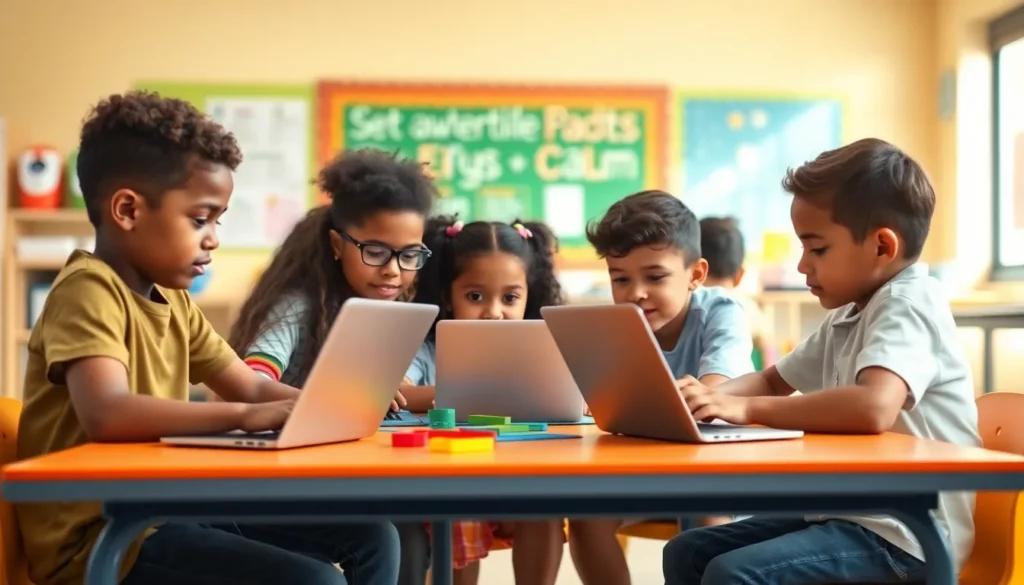
Learning programming at an early age offers numerous advantages that contribute to cognitive and personal development. It equips children with essential skills that extend beyond coding, preparing them for future success.
Cognitive Development
Cognitive development improves significantly through early exposure to programming concepts. Programming teaches children logical reasoning, as they must construct steps to solve problems. It engages their analytical skills, fostering the ability to break down complex tasks into manageable parts. Research indicates that children who learn coding at a young age exhibit enhanced memory retention, greater attention to detail, and improved mathematical abilities. Engaging in coding activities stimulates creativity and encourages abstract thinking, leading to higher academic performance.
Problem-Solving Skills
Developing problem-solving skills occurs naturally through programming courses. Children encounter challenges that require innovative solutions. They learn to approach problems systematically, testing different strategies until they find effective resolutions. This iterative process builds resilience and adaptability. A study from the University of California highlights that students who engage in coding show improved critical thinking capabilities and a higher capacity for troubleshooting. Programming empowers kids to confront obstacles with confidence, skills that are essential in both personal and professional settings.
Types of Programming Courses for Kids
Programming courses for kids come in various formats, each designed to meet specific learning needs and preferences. Understanding these types helps in selecting the best option for young coders.
Online Courses
Online courses provide flexibility, allowing students to learn at their own pace and from any location. These courses typically feature interactive platforms where kids engage through video tutorials, quizzes, and coding exercises. Popular platforms like Code.org, Khan Academy, and Codecademy offer beginner-friendly content tailored for children. Many online courses use gamification to maintain engagement, helping students grasp concepts while having fun. Parents appreciate the ability to monitor progress and adjust learning paths based on individual performance.
In-Person Workshops
In-person workshops facilitate hands-on learning experiences with direct instructor support. These workshops often foster collaboration and teamwork, allowing children to work together on projects. Local community centers, schools, and tech camps frequently host these events, providing opportunities for personalized guidance and immediate feedback. Programs specializing in game development and robotics are particularly popular, as they give kids a chance to build tangible projects. The social interaction during these workshops enhances communication skills, making learning a shared adventure.
Popular Programming Languages for Kids
Kids often find programming languages that are visual and easy to understand more accessible. Scratch and Python stand out as popular options for young learners.
Scratch
Scratch enables kids to learn fundamental programming concepts through block-based coding. Kids drag and drop blocks to create animations, games, and interactive stories, making the process engaging. Scratch is ideal for ages 8 and up, as it fosters creativity and logical thinking. This language also encourages collaboration, as children can share their projects within the Scratch community, providing opportunities for feedback and learning from peers.
Python
Python is renowned for its readability and simplicity, making it suitable for older children, usually aged 10 and above. This language introduces kids to various programming concepts, such as variables, loops, and functions, through straightforward syntax. Python supports diverse projects, from web development to data analysis, providing flexibility for young learners. With many resources available, including online courses and interactive platforms, children can explore programming in a practical, hands-on manner. Python’s versatility equips kids with skills that apply to real-world problems, enhancing their digital literacy.
Tips for Choosing the Right Course
Selecting an appropriate programming course for kids involves careful evaluation of their current abilities and interests. Here are essential factors to consider.
Assessing Skill Level
Assessing a child’s skill level ensures the course content aligns with their existing knowledge. Determine whether the child is a beginner with no coding experience or has some familiarity with programming concepts. Courses like Scratch cater to younger beginners, while Python serves students with basic understanding. Take note of any previous experience in using computers or occasionally engaging with coding games, as this background can help in choosing the right starting point. Review the curriculum or syllabus, looking for prerequisites or recommended experience before enrolling.
Considering Interests
Considering a child’s interests plays a crucial role in maintaining engagement throughout the course. Identify what excites the child; whether it’s game development, robotics, or web design, ensuring the course addresses those interests effectively fosters motivation. Courses focusing on game creation often capture the imagination of children, while programming responsibilities tied to real-world applications, like app development, can enhance relevance. Exploring different course offerings that incorporate popular themes or hobbies helps in finding a match that sustains enthusiasm and promotes continued learning.
Embracing programming courses for kids opens a world of opportunities that extend beyond just coding. These courses cultivate essential skills like critical thinking and creativity, preparing children for future challenges in an increasingly digital landscape. By selecting the right course that aligns with a child’s interests and skill level, parents can foster a love for learning and problem-solving.
As children engage in coding activities, they not only gain technical knowledge but also develop resilience and collaboration skills. The journey into programming is more than just acquiring a new skill; it’s about nurturing a mindset that thrives on innovation and adaptability. Investing in these courses today paves the way for tomorrow’s tech-savvy leaders.