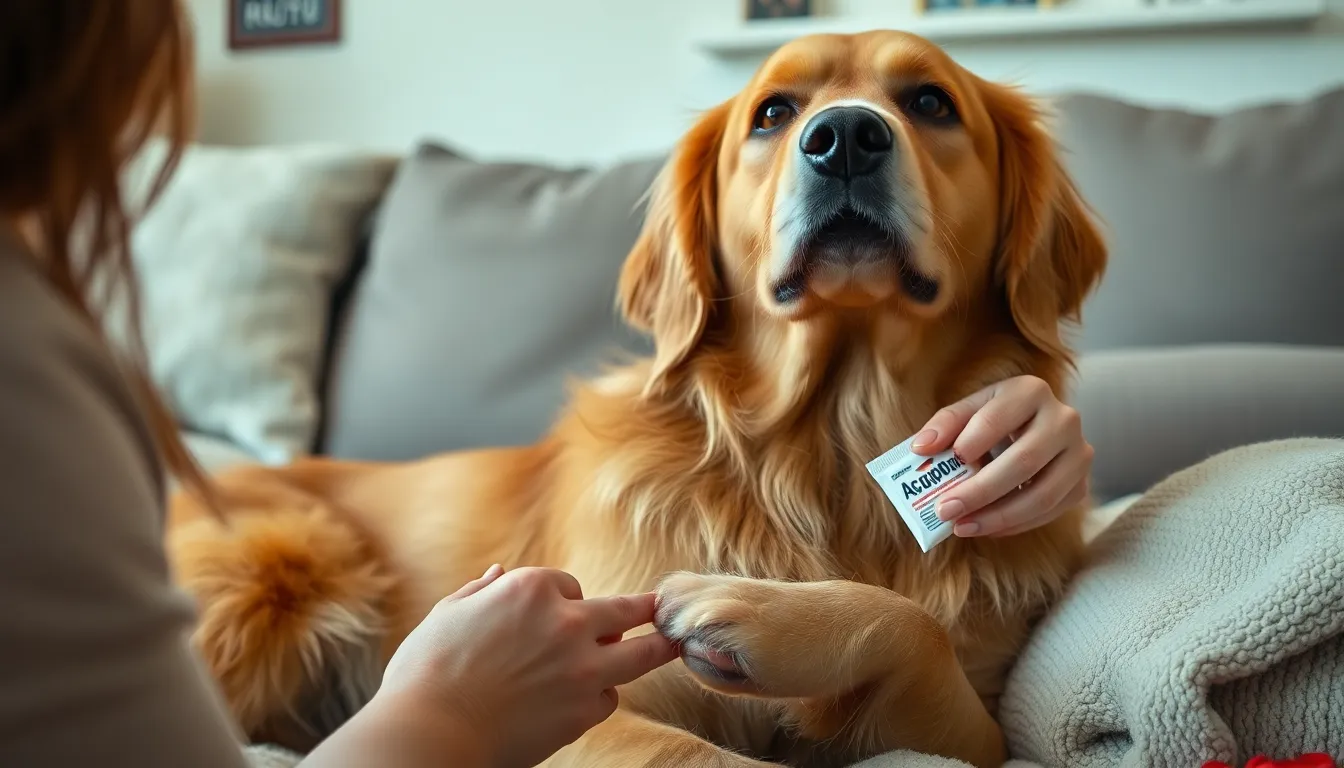
When it comes to caring for pets, many dog owners often find themselves questioning the safety of various human products. One common query is whether Aquaphor, a popular healing ointment, is safe for canine use. With its reputation for soothing dry skin and aiding in minor wounds, it’s no surprise that pet parents consider it for their furry friends.
However, it’s essential to understand the potential effects and risks of using human products on dogs. While Aquaphor contains ingredients that can be beneficial, not all are suitable for canine consumption. This article dives into the specifics of using Aquaphor on dogs, providing clarity on its safety, effectiveness, and alternative options for dog care.
Can I Use Aquaphor on My Dog?
Aquaphor contains ingredients that may soothe dry skin and aid minor wounds. Dog owners often seek alternatives for skin issues that are safe for their pets. While Aquaphor is generally considered non-toxic, some cautions apply.
Ingredients and Safety
Aquaphor includes petroleum jelly, lanolin, glycerin, and other elements. Petroleum jelly acts as a barrier, protecting skin from moisture loss. Lanolin, derived from sheep’s wool, has moisturizing properties. Glycerin hydrates skin. While these ingredients are usually safe, individual reactions may vary.
Benefits for Dogs
Using Aquaphor may provide hydration for dry patches or minor irritations. Owners often apply it to areas like elbows, paws, and noses. Applying a thin layer can reduce discomfort. Observing the dog for any adverse reactions post-application is essential.
Potential Risks
Aquaphor contains no harmful chemicals, yet it’s not formulated specifically for pets. Therefore, ingestion poses a risk. Dogs that lick the applied ointment may experience gastrointestinal issues. Monitoring for licking is crucial when using the product.
Alternatives to Aquaphor
Several pet-specific products exist that are designed to address skin issues. Options include dog-friendly balms and ointments made with safe, natural ingredients. Consulting with a veterinarian can help identify the most suitable products for specific conditions.
Using Aquaphor on dogs may provide some benefits, but awareness of risks is vital. Always prioritize the dog’s health by evaluating the safest options available.
Benefits of Aquaphor for Dogs
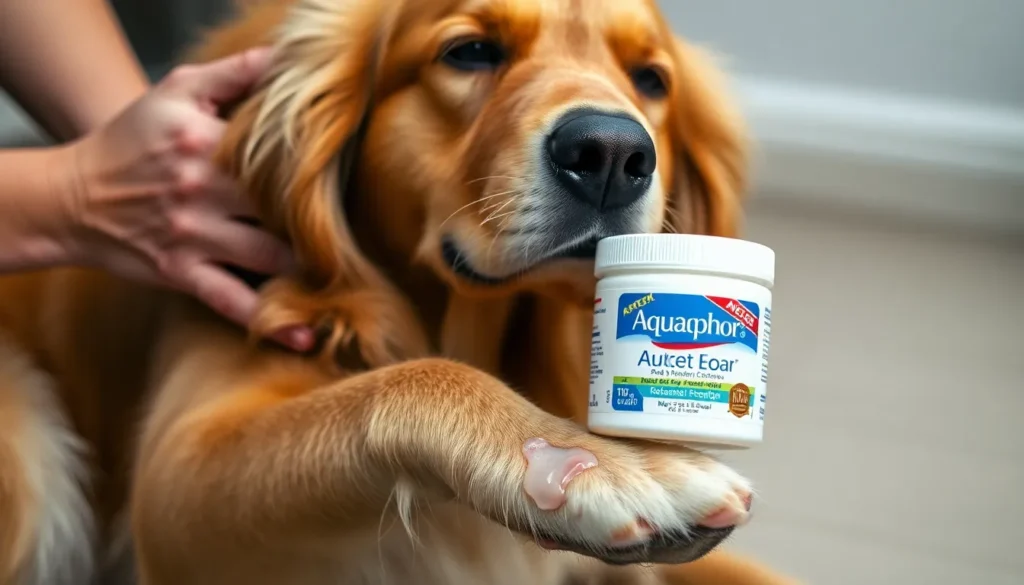
Aquaphor can provide several benefits for dogs, particularly in the areas of skin irritation and moisturization. Understanding these benefits helps dog owners make informed decisions about their pet’s skin care.
Soothing Skin Irritations
Using Aquaphor on localized skin irritations may offer relief by creating a protective barrier. This barrier prevents further irritation and allows the skin to heal. Aquaphor’s ingredients, including glycerin, can help draw moisture into the skin, promoting faster recovery from minor irritations. By applying a thin layer, dog owners can reduce redness and discomfort, especially for small, targeted areas.
Moisturizing Dry Patches
Aquaphor effectively moisturizes dry skin patches on dogs. Its formulation includes petroleum jelly, which locks in moisture and protects the skin from external elements. For dogs prone to dry or flaky skin, regular application to affected areas can lead to significant improvement. Maintaining skin hydration not only enhances comfort but also supports overall skin health, reducing the likelihood of more severe skin conditions.
Potential Risks and Side Effects
While Aquaphor can provide benefits to dogs, it carries potential risks that owners must consider. Understanding these side effects ensures informed use.
Allergic Reactions
Some dogs may experience allergic reactions to ingredients in Aquaphor. Symptoms include redness, swelling, itching, and hives. Owners should apply a small amount initially and monitor for adverse reactions. If any signs appear, discontinue use immediately and consult a veterinarian. Dogs with known sensitivities to petroleum-based products could face heightened risks, emphasizing the need for caution.
Ingestion Concerns
Ingesting Aquaphor poses risks for dogs. If a dog licks the ointment, gastrointestinal issues, such as vomiting or diarrhea, may occur. Aquaphor contains substances that aren’t meant for canine ingestion, complicating digestion. It’s essential to supervise dogs after application to minimize the likelihood of ingestion. Keeping the product out of reach can also help prevent such situations. If ingestion does occur, consulting a veterinarian is advisable.
Alternatives to Aquaphor
Various alternatives exist for dog owners seeking safe options to treat skin issues. These products can provide effective solutions without the potential risks associated with human ointments.
Veterinary-Approved Ointments
Veterinary-approved ointments often contain ingredients specifically formulated for dogs. They target skin problems such as dryness, rashes, and minor wounds without harmful effects. Options include:
- Neosporin for Pets: A topical antibiotic that helps prevent infection in minor cuts and scrapes. Choose the formulation labeled for canine use.
- Hydrocortisone Cream: Recommended for reducing inflammation and itching. Use in moderation, as overuse may lead to skin thinning.
- Burt’s Bees for Dogs: A line of natural products aimed at various skin conditions, including salves specifically for dry skin and irritations.
Consult a veterinarian for recommendations based on a dog’s specific needs and conditions.
Natural Remedies
Natural remedies provide alternative solutions for skin issues in dogs. These options often involve easily accessible ingredients. Common examples include:
- Coconut Oil: Known for its moisturizing properties, it can soothe dry skin and help heal minor irritations.
- Aloe Vera: Safe for topical use, aloe vera may reduce inflammation and promote healing for minor burns or irritations.
- Oatmeal Baths: Colloidal oatmeal can relieve itching and provide soothing effects for dogs with allergies or sensitive skin.
Always confirm the safety of any natural remedy with a veterinarian before use, ensuring it aligns with a dog’s health needs.
How to Apply Aquaphor Safely
Applying Aquaphor to dogs requires a cautious approach to ensure safety and effectiveness. Owners should follow proper procedures to minimize risks and promote skin healing.
Cleaning the Affected Area
Clean the dog’s skin before applying Aquaphor. Use lukewarm water and a mild, fragrance-free soap to gently wash the affected area. Pat the area dry with a clean towel. Ensuring the skin is free of dirt and contaminants enhances the ointment’s effectiveness and reduces the chance of irritation or infection. Inspect the area for any signs of inflammation, infection, or excessive redness before application.
Proper Application Techniques
Apply Aquaphor in a small, thin layer directly to the affected area. Use clean fingers or a sterile applicator to prevent introducing bacteria. Gently massage the ointment into the skin, ensuring it covers the entire affected area. Avoid excessive application, as too much ointment can lead to licking and potential gastrointestinal upset. Monitor the dog closely after application, reapplying only as needed based on the veterinarian’s advice.
Using Aquaphor on dogs can offer some benefits for soothing dry skin and minor irritations. However, it’s crucial for pet owners to remain vigilant about potential risks, including allergic reactions and gastrointestinal issues from licking the ointment. Monitoring the dog closely after application is essential to ensure safety.
While Aquaphor may be effective, exploring alternatives specifically designed for canine skin care is advisable. Options like veterinary-approved ointments and natural remedies can provide safer solutions tailored to a dog’s needs. Consulting a veterinarian will help identify the best treatment approach for any skin condition. Prioritizing a dog’s health and well-being should always be the primary concern when considering any topical treatments.