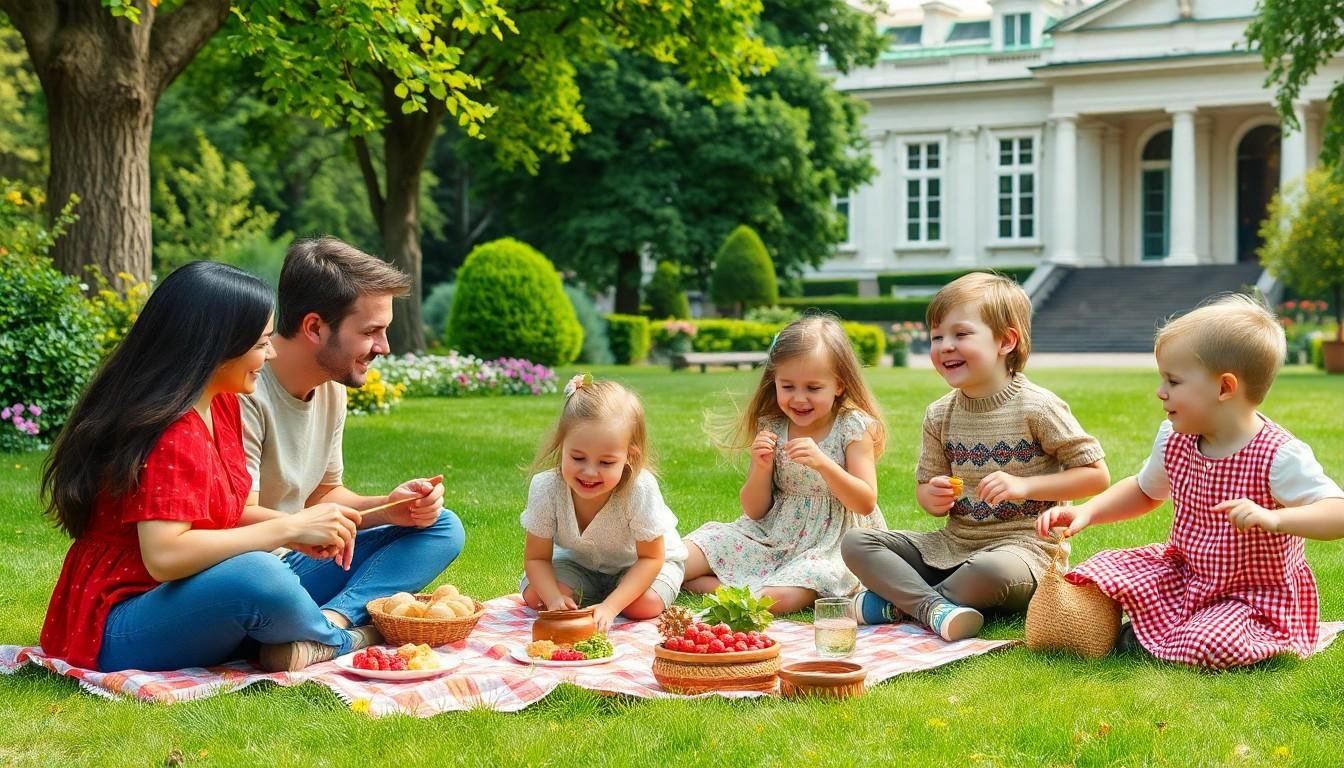
St. Petersburg’s rich cultural tapestry comes alive through its cherished family traditions, where generations have woven together stories that span centuries. From the grand celebrations along Nevsky Prospect to intimate family gatherings in historic apartments, these customs create an unforgettable mosaic of Russian heritage.
In this magical city, families embrace unique traditions that blend imperial splendor with heartwarming simplicity. Whether it’s sharing blini during Maslenitsa or taking evening strolls through the Summer Garden, Petersburg’s families have mastered the art of creating lasting memories. These time-honored practices don’t just preserve history – they bring people together in ways that modern social media simply can’t match.
The Rich Cultural Heritage of Petersburg Families
Petersburg families preserve centuries-old traditions through religious ceremonies cultural celebrations seasonal rituals.
Russian Orthodox Religious Celebrations
Orthodox families in Petersburg observe sacred rituals during Christmas Eve on January 6th with the Holy Supper featuring 12 meatless dishes. Easter celebrations include blessing traditional kulich bread baskets at centuries-old cathedrals like Kazan Cathedral Saint Isaac’s Cathedral. The Epiphany on January 19th draws families to designated spots along the Neva River for ice swimming ritual cleansing. Religious processions through Nevsky Prospect unite generations during major feast days including the Day of Saints Peter Paul. Family icons passed down through generations occupy special corners in Petersburg homes where daily prayers maintain spiritual connections.
Traditional Family Meals
Petersburg families gather for weekly Sunday lunches featuring classic dishes like beef Stroganoff borscht pelmeni. Grandmothers teach children traditional recipes during holiday preparations crafting favorites like olivier salad herring under fur coat vatrushka pastries. Tea ceremonies remain central to daily family life with ornate samovars brewing strong black tea served with honey jam varenye preserves. Special occasions call for elaborate spreads including caviar blini smoked fish pickled vegetables house-made vodka infusions. Multi-generational cooking sessions transform kitchens into workshops where time-honored culinary skills techniques transfer naturally between generations.
Seasonal Family Gatherings in Petersburg
Petersburg families embrace seasonal traditions that transform the city’s historic spaces into venues for cherished gatherings. These celebrations connect generations through activities unique to each season while preserving cultural heritage.
Summer Garden Picnics
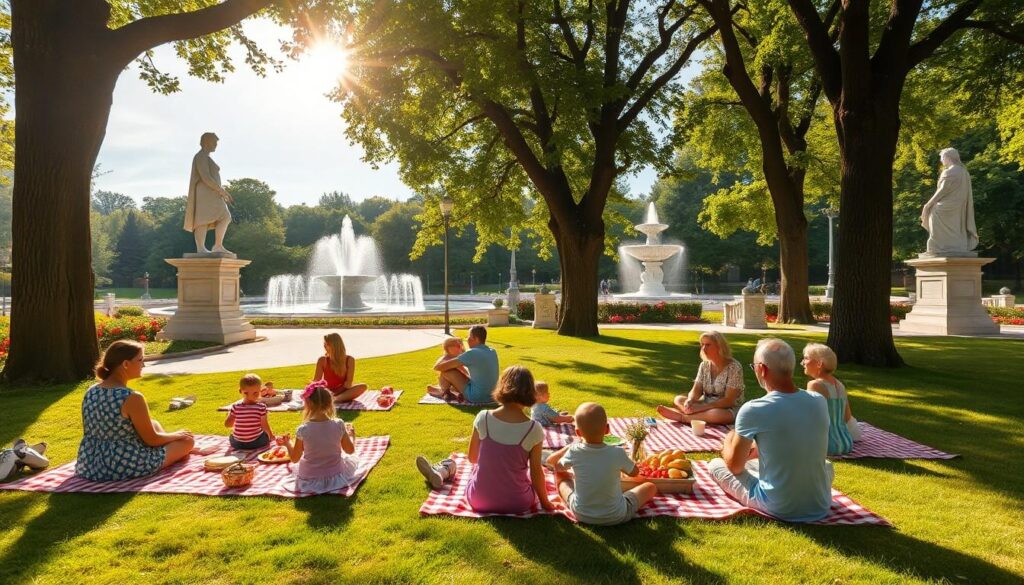
Petersburg families gather in the Summer Garden from May through September for traditional afternoon picnics. Families spread checkered blankets beneath 18th-century marble statues, sharing traditional Russian dishes like pirozhki, cucumber sandwiches, fresh berries. Children play traditional games like gorodki along tree-lined paths while adults sip tea from thermoses brought from home. The garden’s fountains provide a classical backdrop for family photos, particularly during White Nights when the extended daylight creates a magical atmosphere for evening gatherings until 10 pm.
Winter Palace Ice Skating
Families flock to the Winter Palace ice rink from December through March for a quintessential Petersburg winter tradition. The rink accommodates 250 skaters at once, operating daily from 11 am to 8 pm. Parents teach children figure-eight techniques while gliding past illuminated palace facades. Local families bring traditional warming treats like sbiten (spiced honey drink) in thermoses, homemade gingerbread cookies. The palace’s golden lights reflect off the ice during evening sessions, creating a backdrop that draws multiple generations to skate together beneath the historic architecture.
Wedding and Marriage Customs
Petersburg’s wedding traditions blend imperial grandeur with Orthodox Christian customs, creating distinctive marriage ceremonies that reflect the city’s cultural heritage. These traditions emphasize family bonds through elaborate rituals passed down through generations.
Traditional Matchmaking Practices
Petersburg matchmaking customs follow a structured protocol that begins with the svatovstvo ceremony. Professional matchmakers called svakhi evaluate potential couples based on family reputation, education credentials & social standing. The formal courtship involves three visits: the initial meeting at the bride’s home, the presentation of gifts & the negotiation of marriage terms. Families exchange formal portraits displayed in silver frames as symbols of commitment. The matchmaker receives traditional payments including embroidered towels, bread loaves & symbolic coins upon successful matches. Modern Petersburg families incorporate elements of these customs into contemporary engagement celebrations, with matchmakers still playing advisory roles during major marriage decisions.
Wedding Feast Rituals
Traditional Petersburg wedding feasts feature symbolic dishes served in a specific sequence across multiple days. The celebration begins with khleb-sol, where newlyweds share salted bread representing prosperity. The main feast includes:
| Course | Symbolic Meaning |
|---|---|
| Kurnik pie | Unity & fertility |
| Roasted swan | Eternal love |
| Medovukha | Sweet life ahead |
Guests participate in ceremonial toasts called gorko, prompting the couple to kiss. The wedding coordinator, known as tamada, orchestrates traditional games & dance circles. Family elders present crystal glasses filled with champagne & tied with red ribbon to the couple. These feasts typically span 2-3 days, incorporating traditional songs & special blessings from both families.
Multi-Generational Living in Petersburg
Multi-generational households remain a cornerstone of Petersburg family life, with 3 or more generations commonly sharing living spaces in historic apartment buildings along Nevsky Prospect and surrounding neighborhoods. This traditional living arrangement preserves cultural heritage while providing practical support for family members of all ages.
Grandparents’ Role in Family Life
Petersburg grandparents serve as primary caretakers for 65% of children under age 10 while parents work. Babushkas manage daily household operations, preparing traditional meals like borscht, pelmeni and kotlety from recipes preserved across generations. They coordinate family schedules, oversee homework sessions and maintain cultural practices through regular activities like afternoon tea ceremonies. Many grandparents occupy dedicated rooms called “babushka quarters” featuring traditional furnishings, family photos and cherished heirlooms. Their presence provides stability through established routines like weekly Sunday dinners where extended family gathers to share meals and maintain connections.
Passing Down Family Stories
Evening storytelling sessions unite Petersburg families as grandparents share tales of city history through personal experiences. Children gather to hear accounts of the Siege of Leningrad, stories of imperial balls at the Winter Palace and memories of Soviet-era cultural events. Families document these oral histories through handwritten journals, recordings and digital archives. Many households maintain family albums dating back 5+ generations, featuring photographs of ancestors at iconic locations like the Church of the Savior on Spilled Blood. Regular visits to these historic sites allow elders to connect stories with physical places, creating tangible links between past and present Petersburg life.
Modern Takes on Petersburg Traditions
Petersburg families embrace contemporary interpretations of time-honored customs while maintaining their cultural essence. Digital technology enhances traditional celebrations through creative adaptations that bridge generations.
Blending Old and New Customs
Modern Petersburg families incorporate digital elements into traditional gatherings through virtual family albums on social media platforms. Grandparents connect with younger relatives via video calls during weekly tea ceremonies, sharing stories across distances. Family recipe collections transition from handwritten notebooks to digital archives, complete with photos documenting preparation techniques. Cultural celebrations integrate smartphone photography to capture ceremonial moments, creating instant digital memories alongside traditional photo albums. Young couples customize traditional wedding rituals by live-streaming ceremonies for distant relatives while maintaining orthodox ceremonies. Family historians digitize ancestral documents to preserve heritage through online family trees. Modern kitchens feature smart appliances alongside traditional cooking tools, enabling families to prepare classic dishes with contemporary convenience. Social media groups dedicated to Petersburg traditions connect families across the city, facilitating the exchange of cultural knowledge between generations.
Conclusion
Petersburg’s family traditions stand as living testaments to the city’s remarkable cultural heritage. These cherished customs continue to evolve while maintaining their authentic spirit through each generation’s interpretation.
From age-old religious ceremonies to seasonal celebrations families have created a tapestry of meaningful rituals that strengthen bonds and preserve their cultural identity. The blend of imperial grandeur historic significance and intimate family moments makes Petersburg’s traditions truly unique.
Modern families demonstrate that tradition and innovation can coexist beautifully ensuring these precious customs will endure for generations to come. Through their dedication Petersburg’s rich cultural legacy remains vibrant and meaningful in today’s fast-paced world.