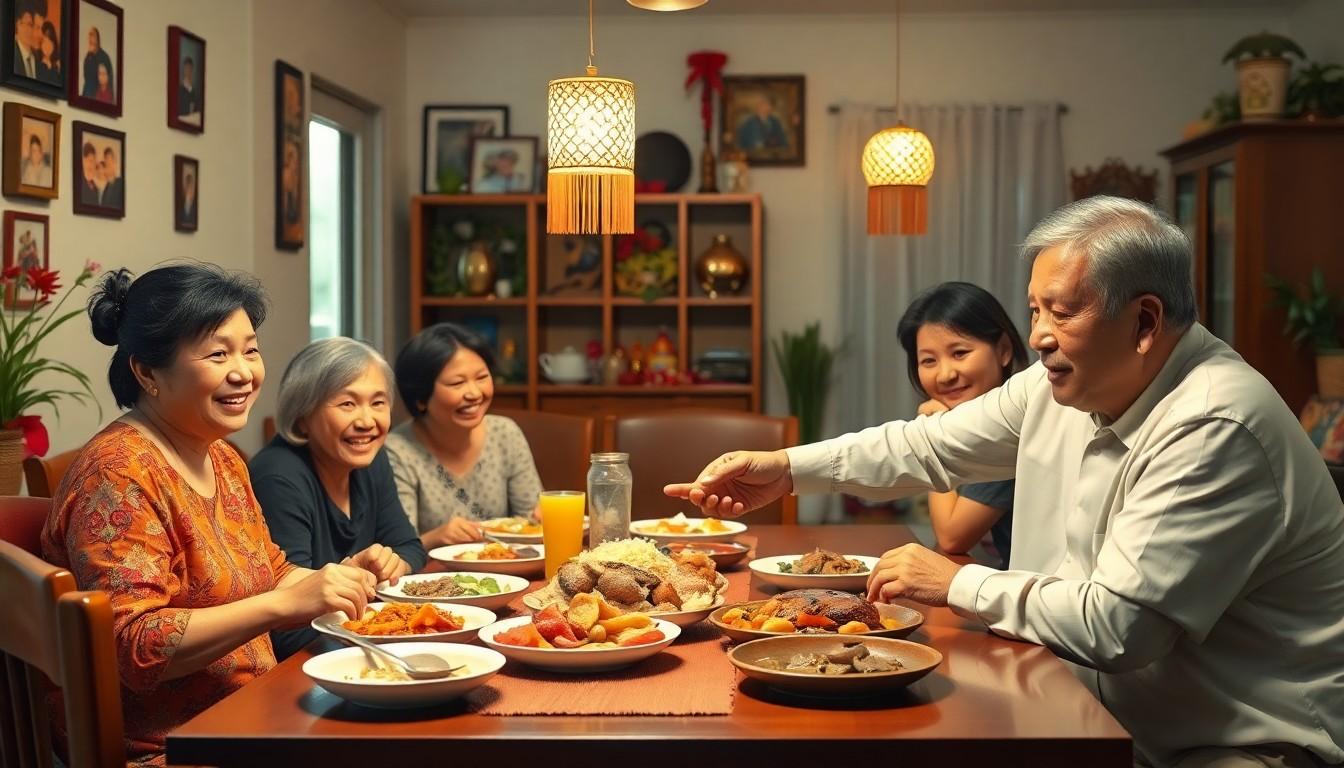
Filipino families are renowned for their tight-knit bonds and rich cultural heritage that spans generations. From the moment someone steps into a Filipino household they’ll notice the unmistakable warmth and hospitality that defines these family-centered traditions.
At the heart of Filipino culture lies a deep respect for elders known as “pagmamano” where younger family members gently press their foreheads against their elder’s hand as a sign of reverence. This tradition along with countless others like elaborate family gatherings “salu-salo” and the practice of living in extended family setups showcases how Filipinos prioritize family connections above all else. Whether it’s celebrating holidays singing karaoke together or sharing stories over traditional dishes these customs continue to strengthen family ties in modern Filipino society.
Understanding Filipino Family Values
Filipino family values form the cornerstone of social relationships in Philippine society, emphasizing respect, reciprocity, and strong familial bonds that extend beyond immediate relatives.
Utang na Loob (Debt of Gratitude)
Utang na loob represents a deeply embedded cultural value in Filipino families that creates lasting social obligations between individuals. This reciprocal relationship system extends from simple favors to life-changing assistance, such as helping a relative find employment or supporting a family member’s education. Parents instill this value in children from an early age through daily interactions like sharing meals, caring for elderly relatives, or contributing to family expenses. Extended family members often maintain these bonds through regular financial support, emotional care, or practical assistance during significant life events such as weddings, birthdays, or medical emergencies.
Family-First Mindset
Filipino families prioritize collective well-being over individual interests in decision-making processes. Parents sacrifice career opportunities to stay close to family, while adult children contribute portions of their income to support household expenses. Family members participate in weekly gatherings, celebrate milestones together, and maintain group chats to stay connected. Children often live with parents until marriage, pooling resources to benefit the entire household. Extended families share responsibilities in raising children, with aunts, uncles, and grandparents actively involved in childcare, education decisions, and cultural teachings.
Traditional Filipino Family Structure
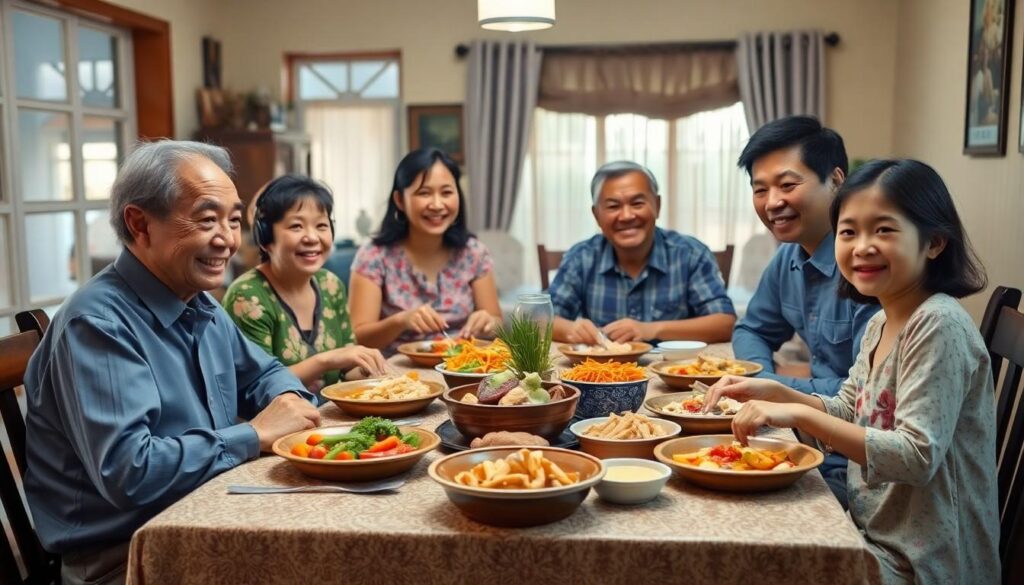
Filipino families maintain a hierarchical structure that emphasizes multigenerational living arrangements with defined roles for each family member. This structure creates a support system where relatives collaborate in daily activities from child-rearing to financial management.
Extended Family Living
Extended family households in Filipino culture integrate multiple generations under one roof, including grandparents, parents, children, aunts, uncles, cousins. A typical Filipino home accommodates 5-8 family members, with shared spaces for dining, entertainment, and daily activities. Family members pool their resources to maintain the household, with working adults contributing to expenses like utilities, groceries, and education costs. This living arrangement facilitates childcare support, preserves cultural traditions through daily interactions, and provides financial stability through shared expenses.
Role of Elders
Elders occupy the highest position in Filipino family hierarchies, serving as decision-makers and cultural knowledge bearers. Grandparents participate actively in raising grandchildren, teaching traditional values, customs, and native languages. Family members consult elders for important decisions regarding education, career choices, marriages, and property matters. The practice of “pagmamano” demonstrates this reverence, where younger family members press their foreheads to the elder’s hand for blessings. Elders manage family gatherings, resolve conflicts, and ensure the transmission of cultural practices to younger generations.
Important Family Celebrations
Filipino families unite through significant celebrations that strengthen bonds across generations through traditional customs, festive meals, and cultural rituals. These gatherings serve as cornerstones for maintaining cultural identity and family connections.
Christmas and New Year Gatherings
Christmas celebrations in Filipino homes start as early as September, marked by the display of parols (star-shaped lanterns) and the beginning of Simbang Gabi (dawn masses). Families gather for Noche Buena, a midnight feast on Christmas Eve, featuring traditional dishes like lechon (roasted pig), queso de bola (cheese ball), and bibingka (rice cake). The New Year brings another significant celebration called Media Noche, where families share meals with 12 round fruits for prosperity. Children receive aguinaldo (monetary gifts) from their godparents and elder relatives during these celebrations. Traditional games like pabitin and palo-sebo entertain family members of all ages during holiday gatherings.
Family Reunions and Fiestas
Town fiestas bring extended families together through grand celebrations honoring patron saints. These gatherings feature traditional performances, processions, and extensive feasts called handaan. Family reunions occur during summer months when children are on school break, often lasting several days with activities like karaoke competitions and traditional Filipino games. The practice of balikbayan boxes, where overseas Filipino workers send care packages to their families, adds excitement to these reunions. Local celebrations include the blessing of homes (house blessing), debut parties for girls turning 18, and milestone wedding anniversaries where families showcase cultural performances and share heirloom recipes passed down through generations.
Filipino Family Customs and Rituals
Filipino families observe sacred customs that strengthen familial bonds across generations while preserving cultural identity. These rituals serve as tangible expressions of respect, spirituality and unity in daily life.
Mano Po Gesture
The Mano Po ritual demonstrates profound respect between generations in Filipino families. Younger family members take the hand of their elders and press it gently to their forehead while saying “mano po.” This gesture occurs during daily greetings, special occasions or when asking for blessings. Elders respond with “God bless you” while making the sign of the cross. The practice starts as soon as children can walk, creating a lifelong habit of showing deference. Parents teach their children the proper way to perform mano po through demonstration rather than verbal instruction. This custom remains prevalent in both rural and urban Filipino households, reinforcing the cultural value of respect for elders.
Family Prayer Time
Prayer gatherings unite Filipino families in spiritual communion each evening. Family members gather in their home altar, adorned with religious images, candles and rosary beads. The eldest leads the group in praying the rosary while others respond in unison. Children kneel beside their parents during these sessions, learning prayers through repetition. Many families incorporate personal intentions, thanking God for blessings and requesting guidance. This ritual typically lasts 15-20 minutes, ending with individual blessings from the elders. Contemporary Filipino families maintain this tradition despite busy schedules, often adapting prayer time to accommodate work and school commitments.
Traditional Family Meals
Filipino family meals serve as central gatherings where relatives bond over traditional dishes while sharing stories and strengthening relationships across generations. These meals integrate cultural practices with culinary traditions passed down through generations.
Sunday Family Lunch
Sunday lunch gatherings bring Filipino families together for a weekly feast of traditional dishes like lechon, adobo, sinigang or pancit. Extended family members arrive at the designated host’s home by noon, bringing homemade specialties or purchased treats to share. Children play together while adults prepare the table settings, serve food buffet-style or pass dishes around a large dining table. The meal extends for 2-3 hours as family members catch up on weekly events, share lighthearted stories over multiple servings or engage in animated discussions about family matters.
Handaan Celebrations
Handaan feasts mark significant life events in Filipino families through elaborate food preparations and joyful gatherings. These celebrations feature signature dishes like lumpia shanghai, pancit palabok, lechon or menudo served to 50-100 guests including relatives, neighbors and friends. The host family starts cooking preparations 2-3 days before the event, with relatives arriving early to help prepare traditional recipes. Food stations display various Filipino delicacies while guests mingle, eat and celebrate milestone occasions like birthdays, weddings, graduations or baptisms together.
| Common Handaan Dishes | Typical Serving Size | Preparation Time |
|---|---|---|
| Lechon | 30-40 people | 6-8 hours |
| Pancit Palabok | 15-20 people | 2-3 hours |
| Lumpia Shanghai | 50-60 pieces | 3-4 hours |
| Menudo | 20-25 people | 4-5 hours |
Modern Changes in Filipino Family Traditions
Filipino family traditions continue to evolve in response to globalization technological advancement demographic shifts. These changes reshape traditional practices while maintaining core cultural values.
Impact of Migration
Overseas Filipino Workers (OFWs) influence family dynamics through digital communication platforms. Video calls connect family members across borders for virtual celebrations gatherings prayer time. Social media platforms enable real-time sharing of milestones birthdays religious observances connecting scattered family members. Recent studies indicate 65% of Filipino families maintain weekly virtual connections with relatives abroad. Digital remittance services streamline financial support allowing OFWs to contribute to family expenses education healthcare from afar. Technology bridges physical distances enabling participation in important family decisions ceremonies despite geographical separation.
Blending Old and New Customs
Modern Filipino families integrate traditional practices with contemporary lifestyle adaptations. Virtual pagmamano sessions occur through video calls preserving respect for elders in digital spaces. Family gatherings incorporate international cuisine alongside traditional Filipino dishes creating fusion celebrations. Online family groups coordinate traditional celebrations using digital planning tools calendar apps. Studies show 78% of urban Filipino families maintain traditional practices through modified formats. Extended families utilize shared digital photo albums to document preserve family histories traditions across generations. Smart home devices enable synchronized prayer times family devotionals across different time zones maintaining spiritual connections.
Conclusion
Filipino family traditions stand as a testament to the enduring strength of cultural heritage in modern times. Despite global changes these customs continue to adapt while maintaining their core values of respect unity and mutual support. Through cherished practices like pagmamano family gatherings and shared meals Filipino families preserve their unique identity.
The blend of traditional values with contemporary lifestyles showcases the resilience of Filipino family bonds. Whether celebrating festivals maintaining extended family households or embracing digital connections to stay close these traditions remain vital pillars of Filipino society shaping future generations while honoring their rich cultural legacy.