Mexican family traditions weave a vibrant tapestry of culture, love and unity that’s been passed down through generations. From the moment a baby enters the world with the joyous celebration of a quinceañera to the heartfelt gatherings during Día de los Muertos, these customs create an unbreakable bond between family members.
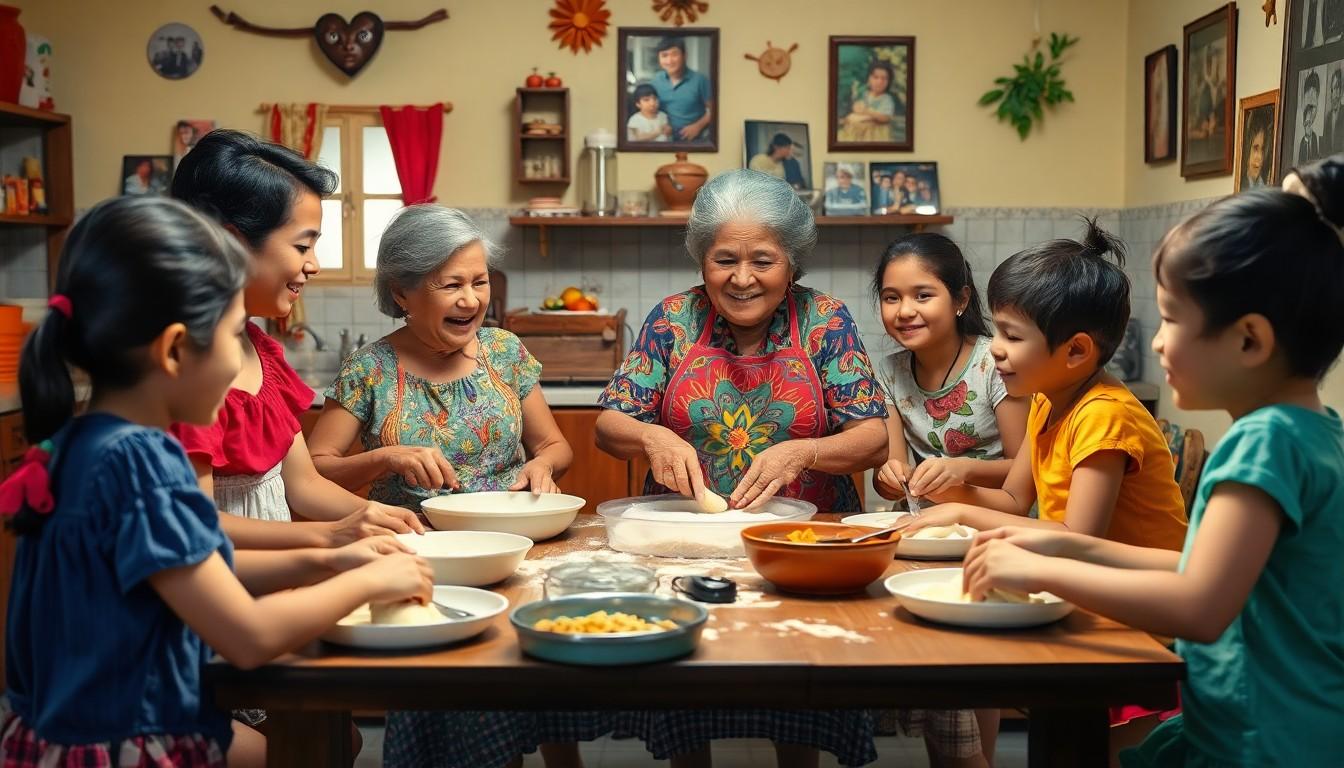
In Mexican households, the kitchen serves as the heart of the home where grandmothers teach secret family recipes and stories flow as freely as the fresh salsa. Whether it’s the weekly Sunday dinner where extended family members squeeze around a table meant for half their number or the elaborate holiday festivities that seem to last for days, these traditions aren’t just customs – they’re the glue that holds Mexican families together.
Understanding Mexican Family Values
Mexican family values form the foundation of social and cultural traditions, emphasizing collective well-being over individual interests. These deeply rooted principles guide daily interactions, celebrations and life decisions within Mexican households.
Respect for Elders
Mexican culture places elders at the pinnacle of family hierarchy, recognizing their wisdom and life experiences. Grandparents often live with their adult children, participating actively in raising grandchildren and passing down cultural knowledge. Children address older relatives using formal titles like “usted” instead of the casual “tú” to show deference. Extended family members seek guidance from elders on important matters including career choices, relationships and family conflicts. Elders receive priority seating at gatherings, serve food first at meals and lead family prayers during religious ceremonies.
Strong Family Bonds
Mexican families maintain close relationships through regular gatherings and shared responsibilities. Parents, siblings and extended relatives celebrate birthdays, baptisms and holidays together, often traveling long distances for these reunions. Family members support each other financially, emotionally and practically – from helping with childcare to assisting during illnesses. Godparents (padrinos) play significant roles as spiritual guides and mentors, creating additional layers of familial connections. Weekly family dinners, daily phone calls and group chat messages help maintain constant communication between relatives living apart.
Important Mexican Family Celebrations
Mexican families commemorate life’s milestones through vibrant celebrations that blend religious customs with cultural traditions. These celebrations strengthen family bonds through shared experiences passed down through generations.
Quinceañeras
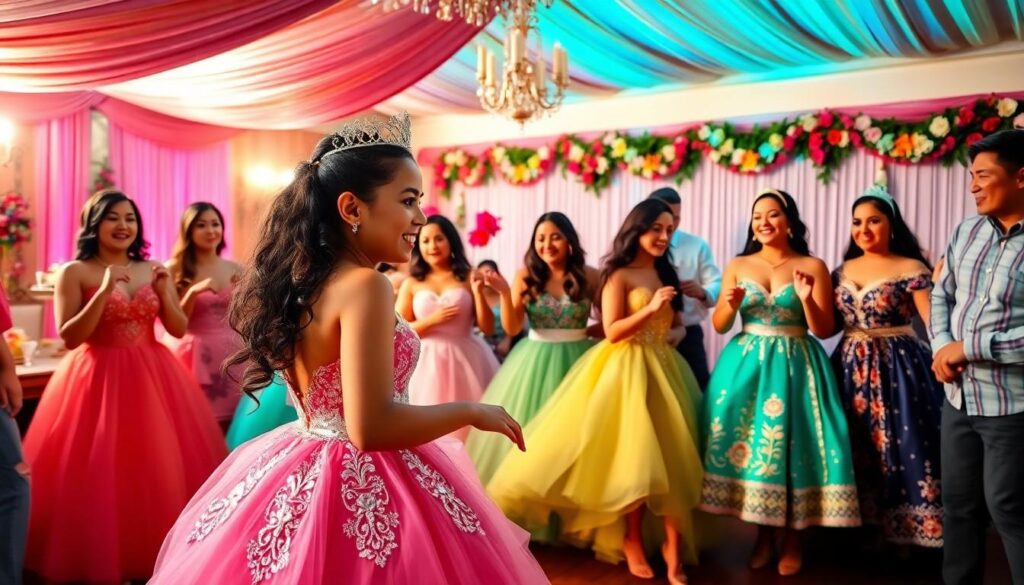
The quinceañera marks a girl’s 15th birthday with a grand celebration symbolizing her transition to womanhood. Parents organize an elaborate mass followed by a reception featuring traditional customs: changing from flat shoes to heels, presenting the last doll, and the father-daughter waltz. The birthday girl selects damas (female attendants) and chambelanes (male attendants) who perform choreographed dances at the reception. Modern quinceañeras incorporate personal touches while maintaining core traditions like the blessing ceremony and formal presentation to society.
Las Posadas
Las Posadas recreates Mary and Joseph’s search for lodging through nine nights of community celebrations from December 16-24. Neighbors host processions where participants carry candles and figurines of the holy family, singing traditional songs at designated houses. Each evening concludes with prayer, followed by festive gatherings featuring Mexican hot chocolate, tamales and piñatas. Children participate by carrying paper lanterns during the procession and collecting candy from broken piñatas.
Day of the Dead
Día de los Muertos unites families in honoring deceased loved ones from October 31 to November 2. Families create ofrendas (altars) adorned with marigolds, photos, favorite foods and personal items of the departed. The celebration includes cleaning and decorating grave sites, sharing pan de muerto (bread of the dead) and telling stories about ancestors. Mexican families prepare traditional dishes like mole and tamales while gathering to remember those who’ve passed through music, prayer and storytelling.
Traditional Mexican Family Roles
Traditional Mexican family roles reflect deep-rooted cultural values that shape household dynamics. These roles establish clear responsibilities within the family unit while adapting to modern social changes.
Gender Dynamics
Mexican families traditionally follow patriarchal structures where fathers serve as primary decision-makers and financial providers. Mothers maintain significant influence over household management, child-rearing decisions and family traditions. Modern Mexican families embrace evolving gender roles with 48% of women participating in the workforce according to recent statistics. Young couples increasingly share household duties, childcare responsibilities and financial obligations. Cultural expectations still emphasize mothers as nurturers who pass down family recipes, traditions and values to younger generations.
Extended Family Structure
Extended family members form integral support networks in Mexican households. Grandparents often live with their adult children, providing childcare and sharing wisdom across generations. Aunts, uncles and cousins maintain close relationships through weekly gatherings and daily communication. Mexican families designate specific roles to extended relatives:
| Family Member | Traditional Role |
|---|---|
| Grandparents | Advisors, caregivers |
| Aunts/Uncles | Mentors, emergency support |
| Cousins | Playmates, lifelong confidants |
| Godparents | Spiritual guides, financial backup |
Extended families pool resources for major life events like weddings, baptisms and quinceañeras. This collective approach strengthens family bonds and ensures cultural preservation across generations.
Family Gatherings and Food Customs
Mexican family gatherings center around sharing meals that strengthen familial bonds through traditional dishes prepared with time-honored methods. These culinary traditions create lasting memories across generations through regular family meals, special occasions and passed-down recipes.
Sunday Family Dinners
Sunday dinners bring Mexican families together each week for multi-course meals that last 3-4 hours. The menu typically includes:
- Sopa de fideo or consommé as a starter
- Main dishes like chile rellenos, pozole or mole
- Fresh tortillas made by hand
- Seasonal fruit-based agua fresca drinks
- Traditional desserts such as flan or tres leches cake
Extended family members arrive at 2:00 PM, with children playing while adults prepare dishes together in the kitchen. The formal meal starts at 3:00 PM when the entire family gathers at the dining table. Conversation flows freely as multiple generations share stories over steaming plates of home-cooked specialties.
Traditional Recipes Passed Down
Mexican family recipes transfer from generation to generation through hands-on cooking sessions. Grandmothers teach specific techniques for:
- Grinding spices for authentic mole sauce
- Hand-pressing tortillas to the perfect thickness
- Preparing tamales during holiday gatherings
- Crafting traditional Mexican candies for special occasions
- Mixing masa for authentic empanadas
Recipe cards dating back 50-75 years contain handwritten notes with exact measurements plus tips for achieving ideal textures and flavors. Many families maintain recipe journals documenting their culinary heritage dating back 4-5 generations. Mothers start teaching children basic cooking skills at age 8-10 through simple tasks like rolling tortillas or measuring ingredients.
Religious Influences on Family Life
Religion shapes Mexican family dynamics through deeply rooted Catholic customs that guide daily routines, celebrations, and social interactions. Catholic faith establishes the foundation for many Mexican family traditions, integrating spiritual practices into everyday life.
Catholic Traditions
Mexican families incorporate religious elements into their homes through sacred spaces featuring altars with images of saints, the Virgin Mary, and crucifixes. Parents teach children to pray before meals, at bedtime, and during family rosary sessions. Godparents take on spiritual responsibilities through baptism, first communion, and confirmation ceremonies, creating lifelong bonds between families. Catholic values influence family decisions, from marriage practices to end-of-life care, with 80% of Mexican families identifying as Catholic according to recent studies.
Religious Celebrations
Mexican families gather for significant religious events throughout the liturgical calendar. Easter week involves daily church attendance, family fasting, and special meals like pescado a la veracruzana on Good Friday. Christmas celebrations begin with Las Posadas on December 16, featuring nine days of community processions, prayer gatherings, and traditional foods. Families attend midnight Mass on Christmas Eve followed by elaborate dinners featuring bacalao, tamales, and ponche navideño. Saint’s day celebrations honor family members’ namesakes with special prayers, meals, and small gifts, strengthening religious identity through personal connections.
Modern Changes in Mexican Family Culture
Mexican families experience significant cultural shifts while maintaining their core traditions. Digital technology integration creates new ways of connecting across generations while preserving essential cultural practices.
Preserving Traditions in Modern Times
Mexican families adapt traditional practices to fit contemporary lifestyles through digital platforms. WhatsApp group chats enable 85% of extended families to coordinate weekly gatherings and share updates about important events. Social media platforms document quinceañeras with live streaming for relatives unable to attend in person. Digital recipe archives preserve family cooking techniques, with 73% of Mexican households maintaining online collections of traditional recipes passed down through generations. Video calls connect grandparents with grandchildren for virtual cooking lessons, storytelling sessions and cultural education.
Blending Old and New Customs
Mexican families incorporate modern elements into traditional celebrations while maintaining cultural authenticity. Quinceañera celebrations now feature professional photography sessions and custom hashtags alongside traditional religious ceremonies and family dances. Family meals combine traditional dishes with contemporary dietary preferences, as 65% of Mexican households accommodate vegetarian or gluten-free options at gatherings. Multi-generational homes integrate smart home technology to help elderly family members maintain independence while staying connected. Cultural holidays like Día de los Muertos incorporate digital memorial displays alongside traditional ofrendas, allowing families to share memories through photos and videos.
Conclusion
Mexican family traditions stand as a testament to the enduring power of cultural heritage and familial bonds. These cherished customs continue to evolve while maintaining their core values of respect unity and love. From vibrant celebrations to daily gatherings modern Mexican families expertly balance time-honored practices with contemporary adaptations.
The strength of Mexican family culture lies in its ability to preserve traditions while embracing change. As families navigate the modern world they’re ensuring their rich cultural legacy thrives for generations to come through digital connections shared meals and meaningful celebrations that bind them together.
These traditions aren’t just customs – they’re the threads that weave the fabric of Mexican family life creating an unbreakable tapestry of love support and cultural pride.